

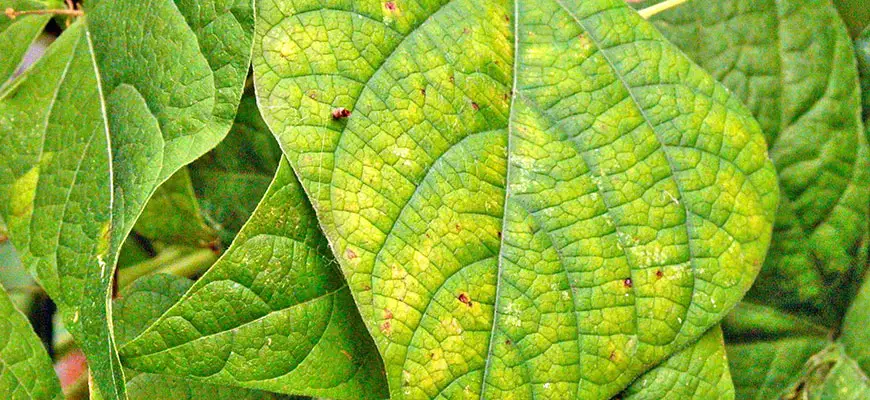
Plants require six macronutrients in meaningful quantities throughout their life cycle: nitrogen (N), phosphorus (P), potassium (K), calcium (Ca), magnesium (Mg), and sulfur (S). A deficiency in any one of them can stall growth, reduce yields, and damage crop quality — often before most growers connect the visual symptoms to a specific cause. This guide covers how to identify each macronutrient deficiency by its visual pattern, understand why it’s happening, and correct it effectively in both soil and hydroponic systems.
Whether you’re managing a home tent or a commercial cultivation facility, the diagnostic logic is the same: identify where on the plant symptoms appear, check your pH, then address the root cause.
The Most Important Thing to Check First: pH
Before diagnosing any macronutrient deficiency, check your root zone pH. This applies every time, without exception.
Most macronutrients — particularly phosphorus, calcium, magnesium, and sulfur — have optimal uptake windows that shift significantly with pH. Running outside that window can produce textbook deficiency symptoms even when nutrients are physically present in your solution or media. For a deeper look at how pH interacts with every nutrient in your program, see our guide to nutrients and pH.
| Medium | Target pH |
|---|---|
| Soil / Coco | 6.0–6.5 |
| Hydro / DWC | 5.5–6.2 |
| Rockwool | 5.8–6.2 |
These are commonly recommended target ranges for mixed horticultural crops; individual cultivars or systems may perform best toward one end of the range, and coco in particular often performs best toward the lower end of the soil/coco range. If pH is out of range, correct it before adding any supplemental nutrients, because supplementing into a locked-out root zone wastes product and can create new imbalances. Browse pH adjusters if you need to bring your root zone back into range.
Understanding Mobility: Where Symptoms Appear
Nutrient mobility within the plant determines where deficiency symptoms show up first — and this is your single fastest diagnostic tool.
Mobile macronutrients (N, P, K, Mg): Plants can relocate these elements from older tissue to support new growth when supply runs low. Deficiency symptoms appear on older, lower leaves first, and progress upward as the deficiency deepens.
Immobile or weakly mobile macronutrients (Ca, S): The plant cannot efficiently relocate these once deposited. Deficiency symptoms appear on newer leaves and growing points first, while older leaves remain relatively intact early on.
Use this as your first filter when examining a plant: if the problem is in your oldest leaves, prioritize N, P, K, or Mg. If new growth is struggling while older leaves look fine, consider Ca or S — and also revisit pH and water quality.
Nitrogen (N) Deficiency
Nitrogen is the macronutrient most closely associated with vegetative vigor. It’s the central atom in chlorophyll and a structural component of every amino acid and protein in plant tissue. During active vegetative growth, nitrogen demand is highest — it’s what drives canopy expansion, stem thickness, and root development. As plants transition into the flowering or fruiting stage, nitrogen demand decreases and other macronutrients take priority.

Symptoms
Nitrogen is highly mobile. Deficiency symptoms begin in older, lower leaves and move upward as the plant pulls N from mature tissue to supply developing growth:
- Uniform yellowing of older leaves starting at the tip and spreading across the blade — the entire leaf turns pale yellow-green, not just the area between veins
- Affected leaves eventually brown and drop prematurely
- New growth remains green early in the deficiency but becomes progressively paler as the shortage deepens
- Stems may become slender and slightly purple-tinged in some cultivars as chlorophyll declines
- Overall growth rate slows noticeably; internodal spacing may compress
Distinguishing N from Mg deficiency: Both cause yellowing in older leaves. Nitrogen deficiency produces uniform yellowing across the entire leaf blade including the veins; magnesium deficiency produces interveinal chlorosis — the veins stay distinctly greener while the tissue between them yellows. If the veins are still visible and green in a yellowing older leaf, lean toward Mg.
Causes
- Insufficient N in nutrient program or substrate
- pH above 7.0 or below 5.5 reducing nitrogen availability and uptake efficiency
- Overwatering reducing root oxygen and limiting uptake — a particular risk in dense or poorly draining media; see growing in coco for root zone oxygen best practices
- Root disease, salt damage, or poor root development limiting N absorption even when supply is adequate
- Aggressive feeding rate cuts during the vegetative-to-flower transition
How to Correct Nitrogen Deficiency
Check pH first. Nitrogen as nitrate (NO₃⁻) and ammonium (NH₄⁺) remains available across a moderate pH range, but extremes at either end still limit uptake and can induce functional deficiency. Confirm your pH is in target range before adjusting your feeding rate.
Review your feeding rate for the current growth stage. Cutting rates too aggressively during transitional phases is one of the most common causes of mild N deficiency. If you’re unsure how often to feed and at what rate, how often should I give my plants nutrients covers feeding frequency across growth stages and systems.
For organic and soil growers: Top-dress with a nitrogen-rich amendment such as blood meal, feather meal, or a high-N liquid fertilizer. Organic sources take time to mineralize — for an active deficiency, liquid options act faster than dry amendments.
Recovery timeline: In well-managed hydroponic systems, mild N deficiency commonly shows improvement in new growth within about 3–5 days once pH is corrected and feeding rates are adjusted, though exact timing depends on cultivar, environment, and severity. Affected older leaves rarely recover — they are typically sacrificed, so monitor new growth for normal green color and growth rate.
Phosphorus (P) Deficiency
Phosphorus drives root development, energy transfer, and the reproductive processes that produce flowers and fruit. It’s the backbone of ATP — the molecule plants use to capture and transport light energy from photosynthesis into usable chemical form. Phosphorus demand is highest early in the plant’s life to establish root systems, and again during the transition from vegetative to reproductive growth.
Phosphorus is highly mobile in plant tissue, so deficiency symptoms appear first in older, lower leaves.

Symptoms
- Older leaf undersides and stems develop a distinctive purple or reddish-purple discoloration — caused by accumulation of anthocyanins when phosphorus transport is disrupted
- Leaf surface may darken to a dull, blue-green color in early deficiency before the purple develops
- Leaf tips and edges may brown and curl upward or downward in more advanced cases
- Growth slows significantly; root development is compromised, which compounds other deficiencies
- Flowering is delayed or reduced; bud and fruit set diminish in moderate to severe deficiency
- Leaves may be smaller than normal and more rigid in texture
Distinguishing P from K deficiency: Both can cause purple discoloration and leaf edge browning in older tissue. Phosphorus deficiency tends to produce a more diffuse purple across the underside of leaves and stems; potassium deficiency typically produces scorched, brown, crispy edges and tips. If the edges look burned and the leaf feels dry, lean toward K. If the discoloration is more purple and diffuse without obvious browning, lean toward P.
Important note: Slightly cool temperatures can trigger mild anthocyanin expression that mimics phosphorus deficiency without any actual P shortage. If purple develops during a temperature dip and new growth looks healthy, confirm with a feeding history and environmental review before adjusting.
Causes
- pH above 7.0 or below 5.5 — phosphorus becomes strongly unavailable at pH extremes, particularly above 7.0 where it precipitates with calcium
- Insufficient P in nutrient program for the current growth stage
- Excess calcium, zinc, or iron competing with phosphorus uptake and potentially precipitating phosphorus
- Cold root zone temperatures (below approximately 60°F / 15°C) significantly impairing phosphorus uptake and movement
- Root damage or disease limiting absorption
How to Correct Phosphorus Deficiency
Check pH first. Phosphorus lockout at high pH is one of the most common drivers of P deficiency in indoor gardens, even in programs that provide adequate phosphorus on paper. In soil, pH above 7.0 causes phosphorus to precipitate rapidly as calcium phosphate; in hydroponics, pH above about 6.5 reduces P availability significantly.
Adjust feeding rate for growth stage. During early flowering and bloom, phosphorus demand increases sharply. Confirm you’re using a bloom formula — veg formulas are typically lower in P and won’t meet the elevated demand of the generative phase.
Warm the root zone if temperatures are consistently below about 60°F. Even a correct pH and well-matched feeding program won’t deliver normal phosphorus uptake in a cold root zone.
For confirmed deficiency in an active grow: A dilute phosphorus supplement at the low end of recommended rates can address an active deficiency while root zone corrections take effect. Avoid over-application — excess phosphorus can induce zinc, iron, and manganese deficiency through antagonism.
Potassium (K) Deficiency
Potassium is the third member of the primary macronutrient trio and one of the most multifunctional elements in plant biology. It regulates stomatal opening and closing, controls water movement throughout the plant, activates many enzymes, and plays a critical role in carbohydrate transport from leaves to developing fruits and flowers. High potassium demand during flowering is one of the most consistent nutritional patterns across crop types — it’s why bloom formulas are structured with elevated K ratios.
Potassium is mobile in plant tissue. Deficiency symptoms appear first in older, lower leaves.

Symptoms
- Scorched, brown, crispy margins and tips on older leaves — the characteristic “leaf scorch” appearance of potassium deficiency
- Yellowing may develop along the edges of older leaves as a precursor to browning, giving leaves a yellow-brown halo effect
- Interveinal yellowing can develop in moderate deficiency, creating potential confusion with other deficiencies
- Stems become weak and thin; plants may show signs of wilting even with adequate water
- In flowering plants, bud development slows; flowers may be poorly formed or undersized in more severe deficiency
- Plants become more susceptible to drought stress, disease pressure, and fungal pathogens
Distinguishing K from Ca deficiency: Both can cause browning at leaf edges. Potassium deficiency affects old growth first and produces scorched tips and margins that spread inward; calcium deficiency affects new growth first and tends to produce tip burn or curl at the growing point rather than broad marginal scorch on mature leaves.
Causes
- pH outside the optimal range reducing K availability and root function
- Insufficient K in nutrient program, particularly during bloom when demand is highest
- Excess nitrogen suppressing potassium uptake — common when growers push N too hard into the flowering stage
- Excess sodium in saline water supplies competing with K at root uptake sites
- High EC / salt buildup in media reducing uptake efficiency
How to Correct Potassium Deficiency
Check pH and EC. High EC from salt accumulation reduces potassium availability even when the solution contains adequate K. Flush the medium with pH-balanced water if EC is running above your target range, then resume feeding at the correct rate. For more on recognizing and clearing salt buildup, see how to clean salt build-up in hydroponic systems.
Review your bloom transition. The most common time for potassium deficiency to appear is during the first 1–2 weeks of flower when demand spikes and growers haven’t yet adjusted their program. Confirm your bloom formula is providing elevated K ratios for the generative phase.
Review nitrogen rate. If you’ve been running high nitrogen into flower, excess N can suppress K uptake. Bringing nitrogen down to match the bloom stage requirement often allows potassium recovery without any additional K supplementation.
Calcium (Ca) Deficiency
Calcium is structurally critical: it forms the literal scaffolding of cell walls and is essential for every new cell the plant creates. Without adequate calcium, new tissue cannot form properly — cell walls are weak, growing points collapse, and tip burn or necrosis appears in the areas of fastest growth. Because calcium is immobile in plant tissue, it cannot be relocated from older cells to support new ones. The plant is completely dependent on a constant supply of calcium in the root zone delivered by the transpiration stream.
This immobility is why calcium deficiency shows up in new growth, growing points, and rapidly developing tissue first — not in older leaves.

Symptoms
- Tip burn or necrosis at the growing point and newest leaves — the classic indicator of calcium deficiency in many crops
- New leaves may cup, curl, or crinkle abnormally due to uneven cell wall development
- Brown or black spots appear in the interior of young leaves, particularly along the midrib in severe cases
- In fruiting and flowering plants: blossom end rot (tomatoes, peppers), tip burn (lettuce), and internal browning of developing buds
- Root tips die back; roots appear brown and slimy in advanced deficiency combined with poor drainage
Calcium vs. boron deficiency: Both are immobile and affect new growth. Calcium deficiency tends to produce tip burn and distorted leaf edges; boron deficiency often creates more pronounced distortion and twisting of new growth with a distinctive thickened or abnormally textured appearance at growing points.
Causes
- pH too low (below 5.5 in hydro, below 6.0 in soil/coco) — calcium becomes less available in acidic conditions and root function is impaired
- Inadequate calcium in nutrient program — particularly common in RO water systems where little or no background calcium is present; if you’re running an RO system, see best RO systems for growing plants for guidance on mineral content in filtered water
- High potassium or magnesium levels competing with calcium uptake — cation competition at the root is a common driver after pH
- Low transpiration conditions (high humidity, low airflow) reducing calcium delivery, since calcium moves primarily with the transpiration stream — VPD management directly affects how efficiently calcium reaches developing tissue
- Waterlogged or anaerobic media reducing root function and uptake
How to Correct Calcium Deficiency
Check pH first. Raising pH from below 5.5 back into the 5.8–6.2 range in hydro systems typically can produce significant improvement in calcium uptake within several days under otherwise stable conditions. In many mild cases this correction alone may be sufficient without any additional calcium supplementation.
Evaluate your calcium supply. Growers using RO water are starting with very little calcium in their base water. Confirm your nutrient program includes a calcium source — a calcium-nitrate base component is the most common delivery mechanism. If your program is insufficient, Botanicare Cal Mag Plus provides readily available calcium and magnesium for systems where the base program doesn’t cover cation demand, and manufacturer data confirms it contains both Ca and Mg as a supplement. Browse cal-mag supplements for the full range of options.
Improve airflow and transpiration. In high-humidity environments with low air movement, calcium delivery slows because transpiration slows, which is a well documented driver of tip burn in many crops. This is particularly common in enclosed tent environments during humid periods. Increasing airflow improves transpiration-driven calcium delivery without changing feeding rates.
Foliar sprays are often recommended for calcium deficiency but have significant limitations — calcium doesn’t translocate well, so foliar applications primarily address surface tissue, not the actively growing internal cells where tip burn originates. Correct the root zone issue; use foliar only as a short-term bridge.


Magnesium (Mg) Deficiency
Magnesium is the central atom in every chlorophyll molecule. Without it, photosynthesis cannot occur. Beyond that, magnesium activates many enzymatic reactions, facilitates phosphorus transport through the plant’s vascular system, and supports sugar loading from leaves to developing fruits and flowers.
Unlike calcium, magnesium is mobile in plant tissue. When supplies run low, the plant relocates magnesium from older leaves to support new growth. This mobility is exactly why deficiency symptoms appear on older, lower leaves first.

Symptoms
- Interveinal chlorosis on older, lower leaves — the tissue between the veins turns yellow while the veins themselves remain distinctly green; this green-vein/yellow-tissue contrast in older tissue is the classic signature of magnesium deficiency
- Yellowing typically begins at the leaf margins and between the major veins, then progresses inward
- In moderate to advanced deficiency, affected leaves develop brown necrotic spots between the veins as tissue dies
- Leaf edges may develop a burned or bronzed appearance in more severe cases
- New growth at the top of the plant remains green early in the deficiency
Distinguishing Mg from N deficiency: Nitrogen deficiency causes uniform yellowing across the entire leaf blade, including the veins. Magnesium deficiency causes interveinal chlorosis — the veins stay green while the surrounding tissue yellows. If the veins are still clearly green in a yellowing older leaf, magnesium is the more likely cause.
Distinguishing Mg from iron (Fe) deficiency: Both produce interveinal chlorosis. The critical difference is location: iron deficiency produces interveinal chlorosis on new growth; magnesium deficiency produces it on old growth.
Causes
- pH too low (below 5.5 in hydro/coco, below 6.0 in soil) reducing Mg availability at root surfaces
- Excess calcium, potassium, or ammonium competing for uptake at root sites — cation antagonism is a leading cause in high-calcium programs or hard water grows
- Insufficient Mg in nutrient program — common in soft water or RO water systems without buffering
- Flush events that strip Mg from the root zone in media-based systems
- Genetic predisposition in some cultivars, particularly fast-flowering strains that are high-demand for Mg during bloom
How to Correct Magnesium Deficiency
Check pH first. Adjusting pH into the 6.0–6.5 range (soil/coco) or 5.8–6.2 (hydro) is the first correction step. Adding more magnesium into a low-pH root zone does not fix the problem and can create new imbalances.
Evaluate your calcium-to-magnesium ratio. Excess calcium suppresses magnesium uptake through competitive antagonism — this is one of the most common cation balance issues in indoor growing, and mixing plant nutrients covers how to think through the ratios in your program. If you need to address both elements simultaneously, Botanicare Cal Mag Plus provides calcium and magnesium in a ratio designed for the typical cation demands of indoor systems, as confirmed by manufacturer analysis.
Epsom salt (magnesium sulfate) is a cost-effective and widely available correction that also delivers sulfur. Common horticultural guidance uses approximately 1–2 teaspoons per gallon for foliar applications or appropriately diluted root drenches, but growers should always verify with product directions and consider crop sensitivity. For established deficiency, foliar application directly to affected leaves can provide a short-term bridge while root zone corrections take effect; at commercial scale, cross-check existing Mg and S contributions from your base program and water analysis before adding separate magnesium sulfate.
Sulfur (S) Deficiency
Sulfur is a secondary macronutrient that doesn’t receive the same attention as N, P, and K — but it’s essential for amino acid synthesis (cysteine and methionine), enzyme function, and the production of sulfur-containing compounds that influence plant metabolism. In cannabis cultivation, sulfur is associated with terpene expression and overall flower quality.
Despite being classified as secondary, sulfur deficiency is less common in well-managed programs because many fertilizer components (ammonium sulfate, potassium sulfate, magnesium sulfate) contain sulfur as part of their salt chemistry. It does occur though — particularly in systems using highly purified sources or in media that have been heavily flushed.

Sulfur is relatively immobile in most plant tissues, so deficiency symptoms appear first in younger leaves and new growth rather than in older leaves.
Symptoms
- Uniform yellowing of new, young leaves — the entire leaf lightens to a pale yellow-green, similar in appearance to nitrogen deficiency but occurring in new growth rather than old
- Stems may develop a light or pale color and appear thinner than normal
- Growth rate slows, though generally less dramatically than a severe nitrogen deficiency
- In severe deficiency, older leaves eventually yellow as well, but new growth yellowing precedes this
- Sulfur-deficient plants in flowering may produce muted secondary metabolite profiles
Distinguishing S from N deficiency: Both produce overall leaf yellowing, but in opposite locations. Nitrogen deficiency starts in old leaves and progresses upward. Sulfur deficiency starts in new leaves — if the youngest growth at the top is yellowing while lower older leaves still look relatively healthy, sulfur is the stronger candidate.
Note on sulfur and pest control overlap: Sulfur is also used as a fungicide and miticide in pest management programs — see our guide to sulfur for pest control for those applications. This article covers sulfur as a plant nutrient only.
Causes
- Insufficient sulfur in nutrient program — more likely in systems using highly purified fertilizer salts or custom mixes that omit sulfate sources
- Heavily flushed or drain-to-waste systems that remove sulfate from the root zone faster than it’s replenished
- pH extremes that reduce sulfate availability or impair root function
- Highly aerated, fast-draining media in which sulfate leaches quickly
How to Correct Sulfur Deficiency
Identify your sulfur source. Most complete fertilizer programs contain sulfate as a background salt. Confirm your nutrient program includes a sulfur component before supplementing — sulfur deficiency in a grower on a full program usually points to a pH issue or excessive flushing, not a missing input.
Magnesium sulfate (Epsom salt) is the most common and accessible source of readily available sulfur, and it provides magnesium simultaneously — a practical correction when both deficiencies are suspected. Potassium sulfate is another option if additional K is also needed and compatible with your overall potassium budget.
Reduce flush frequency if heavily leaching systems are the cause. Increasing the proportion of fertigation events relative to plain-water flushes maintains sulfate availability in the root zone.
Macronutrient Antagonisms: How One Causes Another
Macronutrients don’t exist in isolation — they compete for uptake and interact in ways that mean correcting one deficiency can trigger another if the approach is unbalanced.
| Excess of… | Can Induce Deficiency of… |
|---|---|
| Nitrogen | Potassium, Calcium |
| Potassium | Calcium, Magnesium |
| Calcium | Magnesium, Potassium |
| Magnesium | Calcium |
| Phosphorus | Zinc, Iron, Calcium (at high pH) |
The practical implication: single-element supplementation at high rates is risky, especially at commercial scale. A nutrient program designed with balanced ratios across all six macronutrients is less likely to create antagonism problems than piecemeal supplementation with multiple individual products. For a broader look at how supplements like humic and fulvic acids affect nutrient uptake efficiency, see humic acid vs. fulvic acid.
Choosing the Right Macronutrient Supplement
For most indoor growers, a well-formulated complete nutrient program is the right foundation. Individual macronutrient deficiencies in a well-designed program almost always trace back to pH problems or cation competition — fixing the root cause resolves the deficiency without additional supplementation in many cases. For a full comparison of nutrient lines, see best plant nutrients.
When supplementation is genuinely needed:
For complete macronutrient nutrition (all stages):
HGV Nutrients — HGV’s three-part system (Base 14-0-0, Grow 3-6-22, Flower 0-10-26) provides all essential macronutrients in ratios appropriate for each growth stage according to the manufacturer. The formula is designed so that additional cal-mag or sulfur supplements are often unnecessary when the program is used according to the manufacturer’s recommendations and source water quality falls within their specified parameters, but growers should still confirm with water testing and plant response.
For calcium and magnesium correction:
Botanicare Cal Mag Plus is a direct calcium and magnesium supplement compatible with most nutrient programs — particularly useful in RO water systems or high-drain environments where cation replenishment is needed.
For general hydroponic nutrition:
General Hydroponics CALiMAGic provides supplemental calcium and magnesium for growers on GH programs who need additional cation support.


For Commercial Operations
At commercial scale, macronutrient deficiencies carry risk that compounds quickly across large canopies. A calcium deficiency across 10,000 square feet doesn’t just affect individual plants — it affects crop uniformity, harvest timing, and post-harvest quality simultaneously.
Commercial prevention protocol:
Implement routine water and tissue testing as a standard operating procedure, not a reactive tool. Tissue testing catches macronutrient drift before visual symptoms appear across multiple rooms — by the time you see the earliest visual symptoms, the deficiency has usually been developing for days.
Calibrate and log pH at every irrigation event. Automated dosing systems with continuous pH monitoring are the commercial standard for preventing the lockout conditions that drive most macronutrient problems. pH drift in recirculating or continuous fertigation systems is a leading cause of calcium and magnesium deficiency in otherwise well-managed facilities. See fertigation 101 for how automated nutrient delivery systems address this at scale.
For commercial fertigation operations, nutrient delivery consistency is non-negotiable.
HGV Nutrients is engineered for commercial injection systems — the dry formulas provide batch-to-batch consistency and can be mixed to precise concentrate ratios for use with Dosatron or inline injection systems. Larger-format packaging options support scaled operations.
In coco and rockwool drain-to-waste systems, calcium deficiency often traces to inadequate calcium in the source water combined with aggressive leach fractions. Confirm your input water calcium baseline and adjust your nutrient program to compensate before deficiency becomes visible across multiple benches.
Why Shop at Hydrobuilder.com
100% Secure Shopping. Hydrobuilder carries a complete selection of macronutrient supplements, base nutrient programs, and cal-mag products suitable for hobby growers through commercial facilities. Commercial accounts and volume pricing are available for larger operations. Shop plant nutrients at Hydrobuilder.com.
Want to Learn More?
Understanding macronutrient deficiencies is one piece of the picture. For trace element deficiencies, see micronutrient deficiencies in plants. To work through whether a problem is deficiency, toxicity, or lockout, see diagnosing nutrient deficiencies. For how to correctly mix and sequence your nutrients to prevent these issues, see mixing plant nutrients. For common feeding mistakes that lead to deficiencies, see nutrient mistakes growers make. And when you’re ready to flush and reset, see flushing plants.
Macronutrient Deficiencies: FAQs
What are the six macronutrients plants need?
The six macronutrients are nitrogen (N), phosphorus (P), potassium (K), calcium (Ca), magnesium (Mg), and sulfur (S). Nitrogen, phosphorus, and potassium are the primary macronutrients required in the largest quantities; calcium, magnesium, and sulfur are the secondary macronutrients, needed in smaller but still essential amounts. All six must be present for normal plant growth and reproduction.
Expanded: The primary three (N, P, K) are the ones you see on every fertilizer label as the NPK ratio. Secondary macronutrients are often overlooked because they’re present in many fertilizer salt chemistries as background components — but in highly purified or RO-water-based systems, they need to be supplied deliberately. Commercial growers running zero-EC source water are entirely dependent on their nutrient program to supply all six.
How do I tell if my plant has a macronutrient deficiency or a micronutrient deficiency?
Start with location: macronutrient deficiencies tend to be broader and more visible, often affecting entire leaves uniformly or causing large-scale yellowing. Micronutrient deficiencies typically produce more specific patterns — interveinal chlorosis, tip burn on specific leaves, or distortion at growing points. The mobility framework applies to both: old-leaf problems suggest mobile nutrients (N, P, K, Mg for macro; Mo for micro); new-leaf problems suggest immobile nutrients (Ca, S for macro; Fe, Mn, Zn, Cu for micro).
Commercial application: When multiple deficiency patterns appear simultaneously, the issue is almost always systemic — pH drift, water quality problems, or an imbalanced nutrient program — rather than multiple independent deficiencies. Address the systemic cause with testing and system-wide adjustments.
Why do I have a deficiency when my nutrient solution contains all the nutrients?
The most common cause is pH. Nutrients can be present in your solution at adequate concentrations but still be unavailable to plants if root zone pH is outside the target range, causing “nutrient lockout.” Phosphorus precipitates at high pH; calcium and magnesium become less soluble and less available at low pH; potassium competes poorly against sodium and ammonium at certain pH ranges and salinity levels. Always check pH and EC before assuming a feeding rate problem.
What causes nitrogen deficiency in hydroponic systems?
Nitrogen deficiency in hydroponics is usually a feeding rate issue — either the formula being used doesn’t supply adequate N for the current growth stage, or the rate has been cut too aggressively. pH extremes, overwatering (which reduces root oxygen and slows uptake), or root disease can also produce deficiency symptoms even with sufficient N in the solution. Check pH and root health before increasing feeding rate.
What does calcium deficiency look like in cannabis?
Calcium deficiency in cannabis appears as tip burn or brown-spotted necrosis on new growth and developing leaves — particularly the newest leaves at the top of the plant and around growing nodes. Spots often start as small, irregular brown patches that expand and may merge in more advanced deficiency. Bud development can be affected in flowering plants. Root zone pH below about 5.5 is a common trigger in hydroponic cannabis and other crops when coupled with low transpiration and cation imbalance.
Can too much potassium cause deficiencies in other nutrients?
Yes. Excess potassium is a potent antagonist for both calcium and magnesium uptake — it competes for the same cation exchange sites at the root and in media. Running very high K during late flower can suppress calcium delivery to developing tissue and produce tip burn that looks like calcium deficiency. This is particularly relevant in programs that use aggressive potassium boosters in the final weeks without reducing calcium and magnesium supply accordingly.
What is the fastest macronutrient deficiency to fix?
Magnesium is among the faster macronutrient deficiencies to correct in hydroponic systems because it’s mobile in plant tissue and Epsom salt (magnesium sulfate) is quickly available at the root when dissolved in solution. A pH correction combined with a supplemental magnesium feed often produces visible improvement in new growth within roughly 3–5 days under stable, optimized conditions, though actual timelines vary by environment and severity. Nitrogen deficiency in hydroponics often shows recovery in a similar timeframe once feeding is corrected, while calcium deficiency may take slightly longer to fully resolve in new tissue even after pH and transpiration are corrected.
How do I prevent macronutrient deficiencies in hydroponic systems?
Use a complete nutrient program that provides all six macronutrients at rates matched to your growth stage, maintain pH within target range at every irrigation event, and test regularly. In RO water systems, your starting water contributes no background cations — your nutrient program is the only source, so you must ensure adequate calcium, magnesium, and sulfur are supplied across all stages. Use a formula that includes calcium and nitrogen together (such as a calcium-nitrate base component) and that provides sufficient magnesium and sulfur according to manufacturer recommendations.
Should I flush my plants if I see a nutrient deficiency?
Flushing is appropriate when salt buildup or nutrient lockout is the suspected cause — high EC, mineral deposits visible on media, or a pH that’s consistently drifting despite correction. Flushing for a deficiency caused by an under-fed program or pH issue without correcting the root cause first won’t resolve the deficiency and may worsen it by further lowering EC and removing buffering capacity. Diagnose the cause before deciding whether a flush is the right intervention. For more on flushing best practices, see flushing plants.