

Sulfur is a natural pesticide that has been used for generations to interrupt the growth, development, and life cycle of many kinds of pests. It doesn’t work in all situations, but for some garden dilemmas, sulfur might be the solution you are looking for.
It might be hard for you to believe that something as simple as sulfur can make such a huge difference when it comes to the health of your plants. However, when you’re looking for an inexpensive pesticide, sulfur could very well be the solution you have been looking for.
Here’s how to use sulfur sprays and dusts safely, and why burning sulfur isn’t recommended.
Does Sulfur Keep Bugs Away?
Sulfur is an element, one of the few that can be found in a pure form in nature without having to be combined with other elements. It is a naturally occurring pesticide that is included as an ingredient in several hundred different insecticide products. Of course, it can also be used by itself.
While the smell of sulfur is unpleasant, generally associated with rotten eggs, it offers more to gardeners than what meets the eye.
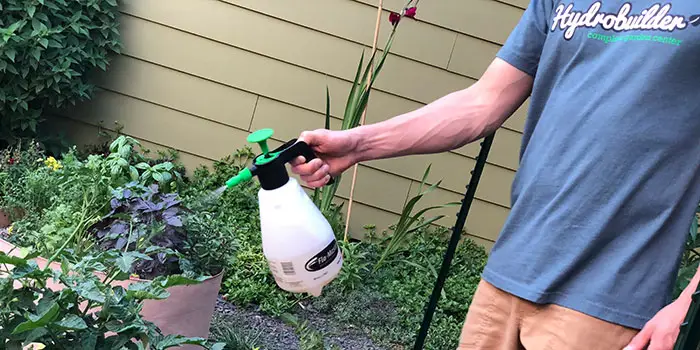
Not only can sulfur help keep bugs away from your plants, but it can also be used as a fungicide.
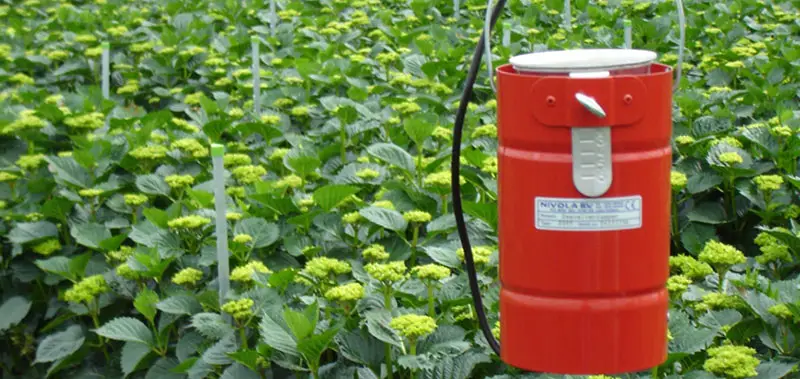
Sulfur is most often mixed into a spray as a wettable powder or applied as a dust. It’s also sold for burning or vaporizing, but no sulfur products are registered with the EPA for burning for plant protection (see ‘Is It Safe to Burn Sulfur?’ below).
You can use sulfur on just about any kind of plant, including a variety of ornamentals, vegetables, fruits, shrubs, flowers, roses, etc.
Is It Safe to Burn Sulfur?
NPIC says no EPA-registered sulfur for burning; vaporizers untested indoors and in greenhouses; possible FIFRA issue
What Pests Does Sulfur Kill?
Sulfur kills mites, including two-spotted spider mites and russet mites, and is also labeled against chiggers, two pests that are members of the arachnid family. It won’t be quite as effective against pests like flies and beetles but can be very useful when going after other arachnid-related pests.
It’s also important to note that sulfur can be used as a fungicide. In fact, it is often used in fruit orchards to help prevent and treat brown rot, scab, and powdery mildew.
Some sulfur products are also labeled for certain thrips and scale insects. Check your product’s label for the pests it covers.
Will Sulfur Hurt Plants If You Use It For Pest Control?
Sulfur can safely be used on a variety of plants including those grown both for edible and ornamental use. It is often used on plants like azaleas, lilacs, cedars, violets, hydrangeas, cosmos, sweet peas, and more.
Used as directed, sulfur has low toxicity to people and pets, but it irritates the eyes, skin and lungs. Wear eye protection, gloves and long sleeves when mixing and applying.
However, it’s important to understand how you should properly use sulfur before you decide to apply it.
Best Practices When Using Sulfur For Pest Control
Don’t apply sulfur as a foliar spray on days that are warmer than 80 degrees Fahrenheit. This can harm the tender foliage of your plants. It’s also not a good idea to combine sulfur with other oils or insecticides.
Don’t use sulfur within two weeks of an oil spray, including neem and horticultural oils, whether before or after. Allow three weeks on citrus; some extension guides recommend four. Never tank-mix sulfur with oil.
Sulfur is practically non-toxic to honeybees, but it can harm beneficial bugs and predatory mites. Avoid spraying where you’ve released them for spider mite control, and spray early or late in the day when bees aren’t foraging.
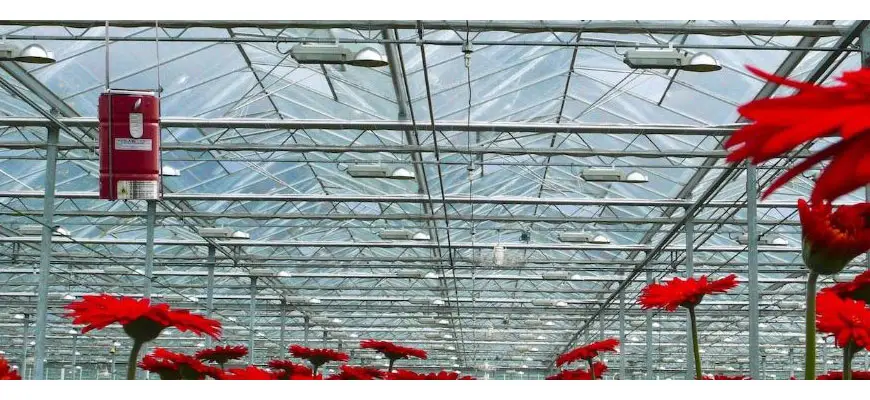
According to the National Pesticide Information Center, no sulfur products are registered with the EPA for burning for plant protection. The vaporizers sold online haven’t been tested for risks when used indoors or in greenhouses. Burning creates sulfur dioxide, which is harmful to breathe and can damage leaves. Using an unregistered product for pest control may violate federal or state pesticide rules. For indoor gardens and greenhouses, use a registered sulfur spray or dust instead.


Sulfur For Pest Control – How Is It Used As A Pesticide?
When used as a pesticide, sulfur is sold as a powder, typically with particles of different sizes. It does not readily dissolve in water.
Because of this, it is sometimes sold as an aqueous emulsion or wettable powder. It can also be purchased as a dust, paste, or liquid.
When applying a sulfur spray, use a plastic sprayer. Sulfur can be abrasive to some types of metals.
To use sulfur as a pesticide, you will need to consult the instructions on the specific formulation you’ve purchased. Generally sold in a wettable form for use as a spray, it will need to be mixed with water (the rate at which will vary).
Sulfur Application Types, Rates, & Frequency
Your application rates will vary, too, and are also affected by the kind of disease or pest you’re going after and the plant you’re using the sulfur on. If you are trying to control chiggers, mites, or other arachnids, for example, you may want to use ready-to-use sulfur dust.
Again, the instructions will vary depending on the formulation you purchase and what plants you’re applying sulfur to. Always read these instructions to make sure the product is effective and so that you do not damage nearby vegetation.
When applying sulfur to your plants, be sure to wear protective gear like goggles, gloves, and long sleeves. It can be irritating to the skin, throat, and eyes. Wear gloves when mixing it up and spray in calm weather so that the wind doesn’t carry it to you.
Typically, when applying as a spray, you’ll start as soon as new growth appears in the spring. You can repeat applications every seven days – keep in mind that you will likely need to reapply after it rains. When you’re using a sulfur spray for disease control, you may need to reapply as often as every five days. Mix at the rate on your product’s label. Rates vary by product, crop and pest.r.
If applying sulfur as a dust, just apply to all plant surfaces so that they are thoroughly covered. Stay out of treated areas for the re-entry period listed on the label.
Most of the same application advice applies when growing indoor plants, too. Again, avoid burning sulfur if you’re trying to get rid of pests on indoor-grown plants. Turn fans off while spraying so the mist doesn’t drift, then ventilate the room once the spray settles.
Many sulfur products can be used up to the day of harvest on labeled crops. Check the pre-harvest interval on your product’s label.
Final Thoughts On Using Sulfur For Pest Control In The Garden
Sulfur offers plenty of benefits for pest control in the garden but of course, like any pest control product, it is not without its disadvantages. Used as the label directs, sulfur is a low-cost option for mites and fungal diseases like powdery mildew.
If you’re thinking about using sulfur for pest control in the garden, consider the tips we’ve given you above. Whether you choose to use sulfur or some other product, you will be able to find everything you need to grow the perfect bounty by shopping Hydrobuilder’s large supply of pest control products.