

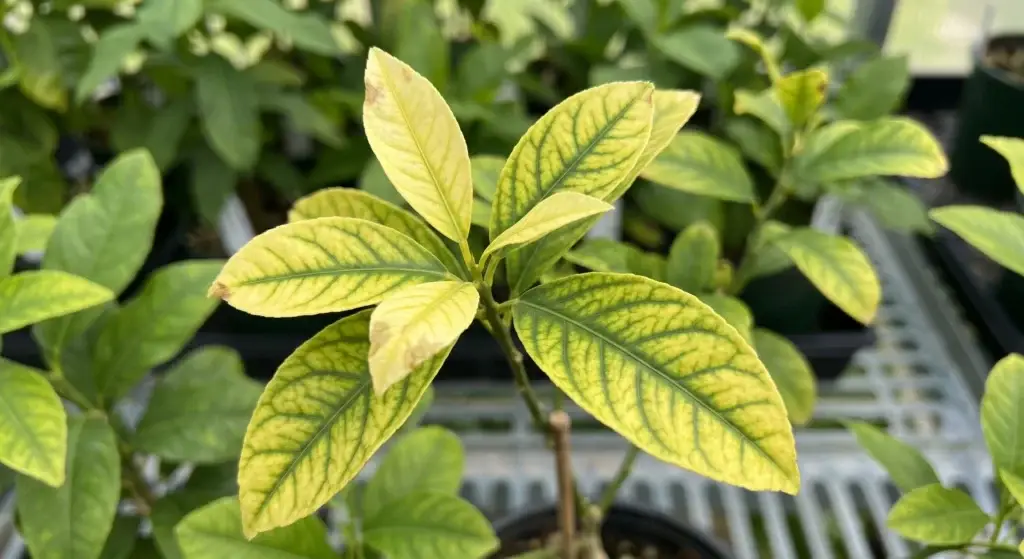
Plants rely on six key micronutrients most commonly implicated in deficiencies — iron, manganese, zinc, copper, molybdenum, and boron — in only trace amounts, but a deficiency in any one of them can stall growth, damage chlorophyll production, and cut yields before you ever pinpoint the cause. These micronutrients are collectively responsible for photosynthesis, enzyme function, nitrogen metabolism, cell wall construction, and tissue integrity. When one goes missing, the plant tells you — if you know exactly what to look for.
This guide covers how to identify each micronutrient deficiency by its visual symptoms, what commonly causes it, and how to correct it across soil, coco, and hydroponic systems. Whether you’re running a home tent or a commercial facility, the diagnostic framework is the same: identify where on the plant symptoms appear, confirm your pH is in range, then address the root cause.
The Most Important Thing to Check First: pH
Before diagnosing any micronutrient deficiency, check your pH. This applies every time, without exception.
Most micronutrients — iron, manganese, zinc, copper, and boron — become less soluble and less available as pH rises above approximately 6.5 in soil and soilless media. Molybdenum is the exception: it becomes less available as pH drops into more acidic ranges, especially below roughly 5.5. A pH problem can produce textbook deficiency symptoms even when nutrients are physically present in your medium at adequate concentrations.
Optimal pH ranges for micronutrient availability:
| Medium | Target pH |
|---|---|
| Soil / Coco | 6.0–6.5 |
| Hydro / DWC | 5.5–6.2 |
| Rockwool | 5.8–6.2 |
These are commonly recommended target ranges for mixed horticultural crops; individual cultivars or systems may perform best toward one end of the range. If pH is out of range, correct it first — with HGV Condition – pH Down or HGV Condition – pH Up — before adding any supplemental nutrients. Supplementing into a locked-out root zone wastes product and can worsen imbalances.
Understanding Mobility: Where Deficiencies Show Up
Knowing whether a nutrient is mobile or immobile in plant tissue is one of the fastest diagnostic tools available — treat it as a guideline, not a rigid rule.
Largely immobile or weakly mobile nutrients (Fe, Mn, Zn, Cu, B): Symptoms typically appear on newer leaves first. The plant cannot efficiently relocate these elements once deposited, so any shortage starves developing tissue while older leaves remain comparatively intact, especially early in the deficiency.
Mobile nutrients: Symptoms appear on old growth first. Molybdenum is generally considered somewhat mobile within the plant, but deficiency symptoms can appear from older lower leaves upward into the mid-canopy depending on severity and crop.
Use this as your first filter when examining symptoms: if new growth is struggling, suspect Fe, Mn, Cu, Zn, or B. If older lower leaves are showing signs alongside new growth, broaden your evaluation to include mobile macronutrients and the possibility of multiple overlapping issues.
Iron (Fe) Deficiency
One of the most common micronutrient deficiencies reported in indoor and hydroponic gardens, especially in systems where pH runs high. Iron is essential for chlorophyll production, nitrogen metabolism, enzyme function, and transporting electrons in photosynthetic and respiratory pathways. Without adequate iron, new leaves cannot produce chlorophyll efficiently, and they yellow rapidly.

Symptoms
Iron deficiency shows up first in new growth at the top of the plant:
- Interveinal chlorosis on young leaves — the tissue between veins turns pale yellow to white while the veins themselves remain dark green; this green-vein/yellow-tissue contrast on new growth is the classic signature of iron deficiency.
- As deficiency progresses, newer leaves may bleach almost entirely.
- Leaf tips may develop brown scorch marks in severe cases.
- Older leaves remain relatively unaffected early on, especially in mild deficiencies.
Causes
- pH above 6.5 (most common cause — iron becomes less soluble and more likely to precipitate or bind to media surfaces).
- Excess phosphorus, manganese, zinc, or copper competing for uptake.
- Cold root zone temperatures (below about 65°F / 18°C) slowing root activity and nutrient uptake.
- Poor drainage or waterlogged media reducing oxygen availability to roots.
- Root damage or disease limiting uptake even when nutrients are present.
How to Correct Iron Deficiency
- Check and adjust pH first. Iron is more available in chelated form when root zone pH is kept below about 6.5. In hydro, target 5.8–6.2; in soil/coco, 6.0–6.5. A single pH correction often resolves mild iron deficiency entirely without any supplementation.
- Flush the medium with pH-balanced, nutrient-rich water to reset salt buildup and restore availability, especially in recirculating or high-frequency fertigation systems. A flushing agent can improve thoroughness.
- Supplement with chelated iron if pH is confirmed in range and symptoms persist. Chelated forms (such as EDTA or EDDHA) remain plant-available across a wider pH range than inorganic iron salts. MicroSource HEDTA Chelated Iron provides a direct iron correction for both soil and hydro applications when used as directed.
- Consider a foliar application of a diluted iron-containing feed as a short-term intervention while the root zone issue is resolved. Use a pump sprayer and apply during the lights-off period to reduce leaf burn risk.
Manganese (Mn) Deficiency
Relatively common in indoor gardens operating at elevated pH. Manganese activates enzymes involved in chlorophyll production, aids in photosynthesis by supporting oxidation-reduction reactions, and plays a role in nitrogen metabolism and plant respiration.

Symptoms
Manganese has limited mobility, so symptoms usually begin in younger to recently mature leaves near the top of the plant:
- Interveinal chlorosis on new growth — similar to iron deficiency, but often with a slightly different distribution; the leaf develops a netted appearance, with green veins against a yellow-to-light-green field.
- Buds may fail to develop properly and can drop prematurely in flowering crops.
- In severe cases, overall growth slows significantly.
- Symptoms often worsen in cold conditions and in high pH environments.
Distinguishing Mn from Fe deficiency: Both produce interveinal chlorosis on new growth. Manganese deficiency tends to produce a more pronounced netted, patterned appearance with speckling between veins, while iron deficiency often results in more uniform yellowing of the leaf tissue with a stark green-vein contrast. When in doubt, correct pH and observe which symptoms respond first.
Watch for antagonism: Excess iron can induce manganese deficiency by competing for similar uptake sites at the root surface. If you’ve been supplementing iron heavily, reduce iron first before adding manganese.
Causes
- pH above about 6.5 reducing Mn solubility.
- Cold root zone temperatures slowing uptake.
- Excess iron in the nutrient solution.
- Excess calcium or magnesium (less common but possible in high-alkalinity systems).
How to Correct Manganese Deficiency
- Adjust root zone pH into the 5.8–6.5 range to improve Mn availability.
- Flush the medium if salt buildup or antagonistic accumulation is suspected.
- Supplement with a chelated manganese product at the manufacturer’s recommended rate; MicroSource EDTA Chelated Manganese is a targeted correction option for both soil and hydro systems.
- Do not over-apply manganese — excess Mn can induce iron or zinc deficiency through antagonism, especially in closed or recirculating systems.
Zinc (Zn) Deficiency
One of the more frequently observed micronutrient deficiencies in alkaline soils and in fast-growing plants. Zinc works alongside iron and manganese to support chlorophyll formation and promotes enzyme, sugar, and protein synthesis. It is active during both vegetative and flowering stages, and demand increases under high growth rates.
Zinc has limited mobility in the plant, and in many crops deficiencies appear in new growth first, with damage sometimes progressing to older tissue over time. That can make Zn deficiency resemble deficiencies of other trace elements that support chlorophyll in developing leaves.

Symptoms
- Interveinal chlorosis begins in newest leaves — veins remain relatively darker while leaf tissue lightens.
- New leaves look thin, weak, and may grow more horizontally instead of upright.
- Bud and leaf production can slow or stall — you may see little to no new growth for weeks in severe cases.
- Leaf tips and margins of older growth may develop burn and darkening as the deficiency persists.
- Dead spots (necrosis) appear in advanced cases.
- In flowering plants, buds can grow in a twisted, brittle pattern.
- Older leaves may show pale interveinal chlorosis as the deficiency deepens and persists over time.
Zinc vs. iron vs. manganese: All three can produce new-growth interveinal chlorosis. With zinc deficiency, extended shortages often cause tip burn or marginal necrosis on more mature leaves in addition to new-growth yellowing, whereas pure Fe or Mn deficiency tends to leave older tissue comparatively intact for longer. If you’re seeing tip burn on mature leaves alongside new-growth yellowing, zinc involvement is more likely, especially at higher pH.
Causes
- High pH (above about 6.5) — the most common factor in media-based systems.
- Excess phosphorus or nitrogen affecting Zn uptake or demand.
- Excess iron or copper suppressing zinc uptake via antagonism.
- Cold, wet conditions reducing root function and oxygen availability.
How to Correct Zinc Deficiency
- Confirm pH is in range — bringing pH back into the target band resolves many zinc deficiencies without further action.
- Flush with a balanced, chelated micronutrient feed to reset ratios; Miller Microplex Micronutrient Blend provides a complete trace element profile including zinc, iron, and manganese together, which is often preferable to supplementing zinc in isolation.
- For targeted zinc supplementation, MicroSource EDTA Chelated Zinc delivers a direct zinc correction when label directions are followed.
- Avoid high single-element zinc doses — excess zinc is toxic and will rapidly block iron and copper uptake; a complete micronutrient profile is generally a safer approach than aggressive isolated zinc application.
- For organic growers, amending soil with mineral sources such as greensand or azomite can improve long-term zinc availability, but these materials take weeks to months to become fully bioavailable; for an active deficiency, use a liquid organic fertilizer formulated with readily available trace elements for faster correction.
Copper (Cu) Deficiency
Less common than iron or zinc deficiencies, but impactful when it occurs. Copper is essential for chlorophyll formation, photosynthesis, plant respiration, and carbohydrate and protein metabolism. It also functions as part of natural plant defense, and copper-deficient plants are often more susceptible to certain fungal diseases.
Copper is largely immobile, meaning deficiencies appear in new growth first.

Symptoms
- Young upper leaves develop yellowing (chlorosis) starting at tips and margins — sometimes with a distinctive bluish-green tint early on, before progressing to more obvious chlorosis.
- Leaf tips may turn brown and curl under.
- Initially, you may see isolated wilting on a few leaves; this can progress to more widespread wilting even when water supply is adequate.
- Stunted growth and poor flower development are common in more advanced deficiency.
- Diminished fruit or bud set can occur in severe cases.
Causes
- High pH limiting copper availability at the root surface.
- Excess zinc or iron competing for uptake.
- Highly alkaline or very organic-rich growing media binding copper tightly.
- Overuse of phosphorus-based fertilizers contributing to micronutrient imbalance.
How to Correct Copper Deficiency
- Verify deficiency before treating. Copper toxicity is possible and occurs at lower thresholds than many growers expect. Confirm pH is in range, review your feeding history, and consider tissue testing before supplementing copper. Soil or tissue testing via grow diagnostics can confirm whether copper is genuinely deficient.
- Adjust pH to the 5.8–6.5 range to improve Cu availability.
- For targeted copper supplementation, MicroSource EDTA Chelated Copper provides a direct, chelated form; start at the low end of recommended rates and monitor closely.
- A complete soluble micronutrient blend — such as Peters Professional S.T.E.M. Soluble Micronutrients
- — is often preferable to isolated copper supplementation, providing a balanced trace element profile that reduces the risk of secondary imbalances.
- Foliar application of copper sulfate at a properly diluted rate can address symptoms relatively quickly while root zone corrections take effect; always follow label instructions and avoid over-spraying sensitive crops.
Molybdenum (Mo) Deficiency
Typically the rarest of the five deficiencies covered here in well-balanced feeding programs. Molybdenum is required to convert nitrate nitrogen (NO₃⁻) taken up by roots into ammonium forms used in amino acid synthesis, a process critical to overall nitrogen metabolism. It is most active in roots and seeds, and demand is small but essential. Molybdenum is unique among these five: it becomes less available at low pH, making it the only one of these micronutrients that commonly becomes deficient in overly acidic growing conditions.

Symptoms
Molybdenum is mobile, so symptoms often begin in older, lower leaves and can progress upward:
- Older leaves turn yellow, often with a light green cast across the rest of the plant.
- Younger leaves may develop cupped or curled edges.
- Mid-canopy leaves may yellow as the deficiency advances.
- Because symptoms begin in older growth, molybdenum deficiency can be confused with nitrogen or magnesium deficiency, especially in heavy feeders.
Key differentiator: Molybdenum deficiency tends to worsen as pH drops into more acidic territory, while simple nitrogen and magnesium deficiencies are less tightly tied to low pH in that same directional way. If lowering pH is making leaf yellowing worse in a complete nutrient program, molybdenum is a candidate.
Causes
- Low pH (below roughly 5.5) — the most common factor in systems that otherwise supply Mo; molybdenum becomes more strongly bound to substrate surfaces and less available in acidic conditions.
- Deficient grow medium or nutrient formulation (uncommon in systems using complete nutrient programs, more likely in custom mixes that omit Mo).
How to Correct Molybdenum Deficiency
- Raise pH to the 5.8–6.5 range; for molybdenum specifically, this pH correction typically resolves deficiency symptoms without any direct Mo-only supplementation.
- Flush the medium with fresh, pH-balanced nutrient solution to reset root zone conditions.
- A foliar spray with a complete micronutrient formula can deliver molybdenum quickly during active deficiency while root zone corrections take effect.
- Full-profile micronutrient supplements — including
- Miller Microplex — contain molybdenum and provide a complete correction alongside other trace elements when used according to label directions.
Boron (B) Deficiency
Boron deficiency is the most commonly misdiagnosed problem in this group, because it doesn’t produce the yellowing growers expect. Boron is required for cell wall formation and division, reproductive development, and sugar transport through the phloem, and it works closely with calcium — the two cannot fully substitute for each other. It is largely immobile, so symptoms appear in new growth first.

Symptoms
- Youngest leaves curl, crinkle, or appear thick and brittle
- Leaf tips on new growth turn brown to black and die back
- Growing tips become distorted or stunted; in advanced cases the growing tip dies (apical meristem failure)
- Stems may become hollow internally or develop surface cracking
- In flowering and fruiting crops: bud site failure, poor fruit set, internal corky tissue
The key diagnostic difference: boron deficiency does not cause interveinal chlorosis or tip yellowing the way iron, calcium, or magnesium deficiency does. Leaves may look slightly off-color, but the hallmark is structural damage in new tissue — twisting, brittleness, and growing tip death. If your tips are failing and leaves look mechanically damaged rather than yellow, suspect boron and check pH. Heavy boron users — brassicas, root vegetables, and fruiting crops — are far more vulnerable than leafy greens or herbs.
Causes
- pH above 6.5–7.0 — the most common cause; availability drops even when boron is present in solution
- Underwatering or drought stress — boron moves passively with water flow and gets stranded when irrigation is insufficient
- Excess calcium suppressing boron uptake (why boron and calcium stress often appear together)
- Heavy leaching — aggressive flush cycles strip boron faster than most other elements
- Cold root zone temperatures (below approximately 65°F / 18°C)
How to Correct Boron Deficiency
- Confirm and correct pH first — target 5.5–6.5. Use HGV Condition – pH Down and recheck after 24–48 hours before assuming a true deficiency.
- Use a complete micronutrient formula rather than isolated boron — if boron is short, other trace elements likely are too. For standalone correction after confirmed deficiency, MicroSource Source Boron 10% provides concentrated, precise dosing.
- Address calcium alongside boron in coco and hydro systems with adequate Cal-Mag; Botanicare Cal-Mag Plus covers both.
- A dilute foliar spray can deliver rapid correction in time-sensitive flowering crops, but boron has the narrowest deficiency-to-toxicity window of any plant nutrient — keep spray solution concentrations well below 2 ppm (boron toxicity in cannabis has been documented at solution levels as low as 2 ppm; the 20 ppm threshold applies to leaf tissue content, not spray solution concentration), never spray open flowers, and don’t reapply more than once every 7–10 days without testing. More is not safer.
A note on toxicity: unlike deficiency, boron toxicity shows up on older, lower leaves as marginal scorch and tip burn that spreads inward, often within days. It’s common in regions where irrigation water already contains boron — if your source water is high in boron and you’re also supplementing, you may be stacking toward toxicity. Test source water before building a program.
Nutrient Antagonisms: When Fixing One Creates Another
These five micronutrients can compete for root uptake through shared or overlapping transporters. Understanding these interactions helps prevent the frustrating cycle of correcting one deficiency only to trigger another.
| Excess of... | Can Induce Deficiency of... |
|---|---|
| Iron | Manganese, Zinc |
| Manganese | Iron, Zinc |
| Zinc | Iron, Copper |
| Copper | Iron, Zinc |
| Phosphorus | Iron, Zinc, Copper, Manganese |
| Calcium (excess) | Boron |
The practical takeaway: supplement with complete micronutrient profiles rather than isolated single elements wherever possible. A balanced trace element blend often corrects the whole picture without creating new imbalances, especially in commercial or recirculating systems.
For a broader overview of how all plant nutrients interact, see our guide to diagnosing nutrient deficiencies.
Choosing the Right Micronutrient Supplement
For most deficiencies, a complete chelated micronutrient blend is the right starting point — not an isolated single-element product. Chelation keeps trace elements soluble across a wider pH range, making them more bioavailable than many inorganic salt forms.
For a complete micronutrient profile:
Miller Microplex Micronutrient Blend provides a dry, water-soluble blend of chelated iron, manganese, zinc, copper, boron, and molybdenum in one product. It’s a practical all-in-one correction for scenarios where multiple trace elements may be implicated, or where you want to prevent deficiencies in clean-water systems such as RO-based fertigation.
For targeted single-element correction (after confirmed deficiency):
- Iron: MicroSource HEDTA Chelated Iron
- Manganese: MicroSource EDTA Chelated Manganese
- Zinc: MicroSource EDTA Chelated Zinc
- Copper: MicroSource EDTA Chelated Copper
- Boron: MicroSource Source Boron 10%
For organic or soil-based systems where additional trace element support is needed, FoxFarm BushDoctor Kelp Me Kelp You provides a broad spectrum of micronutrients, hormones, and amino acids from kelp and is particularly valuable as a general trace element supplement — not a standalone deficiency corrective.


For Commercial Operations
At commercial scale, micronutrient deficiencies carry disproportionate risk: a trace element problem across 10,000 square feet compounds into significant crop loss before most growers identify the pattern. Prevention and early detection are the operating standard in professional facilities.
Water quality comes first. In commercial operations running high daily irrigation volumes, even low baseline boron or iron in source water adds meaningful cumulative levels to your root zone over time. Facilities in western US and arid climates with higher-mineral water supplies may be stacking toward toxicity without knowing it. Test your RO or source water before building your nutrient program.
Injection system precision. If you’re running a Dosatron or similar injection system, adding standalone trace elements to your concentrate stock requires accurate dilution math. At injection ratios of 1:100 to 1:200, concentrations compound quickly. Build your trace element stack conservatively and test in-line solution at the dripper level.
Tissue testing over foliar observation. Subclinical micronutrient insufficiency — enough to impair cell division and reproductive development without producing visible symptoms — is only reliably detected through tissue analysis. Commercial operations running performance testing programs should include the full micronutrient panel, particularly during early flowering when boron and trace element demand peaks. Grow diagnostics programs catch micronutrient drift before it becomes visible across multiple rooms.
Calcium-boron ratio management. High-calcium nutrient programs common in coco and rockwool systems can suppress boron uptake if ratios get out of balance. If you’re pushing calcium supplementation aggressively, monitor boron tissue levels alongside calcium.
Commercial prevention protocol:
- Use a complete nutrient program that includes chelated micronutrients at every feed; programs like Peters Professional S.T.E.M. Soluble Micronutrients are designed for commercial injection systems and provide consistent trace element delivery at scale when dosed correctly.
- Implement routine water and tissue testing; a grow diagnostics program catches micronutrient drift before it becomes visible across multiple rooms.
- Calibrate and log pH at every irrigation event; automated dosing systems with continuous pH monitoring are the commercial standard for preventing the lockout conditions that cause most micronutrient deficiencies.
- In coco and rockwool systems, flush frequency directly affects salt accumulation patterns — trace element lockout in recirculating systems often traces back to salt buildup and alkalinity creep, not simply missing inputs.
- Root cause in commercial settings is almost always pH drift, water quality, or a base nutrient program that does not include a complete trace element profile. Single-element deficiencies with all other factors in range are uncommon — if you’re seeing a trace element problem in a well-dialed commercial program, check whether antagonism from another element is the real trigger.
Why Shop at Hydrobuilder.com
- 100% Secure Shopping.
- Large selection of micronutrient supplements, chelated trace elements, and grow diagnostics suitable for both hobby and commercial applications.
- Commercial accounts and volume pricing available for larger operations.
Want to Learn More About Nutrient Deficiencies?
Not sure if you’re dealing with a micronutrient issue or a macronutrient problem? These individual guides break down each element in detail:
FAQ SECTION
Q: What does interveinal chlorosis mean, and which micronutrients cause it?
A: Interveinal chlorosis is yellowing of leaf tissue between the veins while the veins themselves stay green. Iron, manganese, zinc, and copper deficiencies can all produce interveinal chlorosis — the key diagnostic difference is whether it appears primarily on new growth (trace elements that are immobile or weakly mobile in tissue) or on older growth. Use the location of symptoms as your first filter, then confirm with pH and feeding history.
Expanded: The pattern occurs because these nutrients support chlorophyll synthesis in leaf cells while the vascular veins continue to distribute water and other elements. In hydroponics, pH above about 6.5 is a leading trigger for all four, especially iron. For commercial growers, interveinal chlorosis in new growth across multiple benches simultaneously is almost always a pH or water-quality event, not a simple supply shortfall of one product.
Q: Why do I have iron deficiency when my nutrient solution contains iron?
A: Iron is present in most base nutrient programs, but it becomes chemically less available when root zone pH rises above approximately 6.5. At high pH, iron can precipitate or bind onto media and carbonate surfaces and cannot be absorbed by roots effectively regardless of how much is present on the label. Always check pH before adding any supplemental iron.
Expanded: Additional causes include excess phosphorus, manganese, zinc, or copper blocking iron uptake at root sites; cold root zone temperatures below about 65°F; and root damage from disease or poor drainage. Chelated iron (EDTA or EDDHA forms) stays in solution and available across a wider pH range than inorganic iron sulfate, making it more reliable for hydroponic applications. For commercial operations, water quality (especially high carbonate alkalinity) can cause continuous pH creep that drives chronic iron deficiency even in well-managed programs.
Q: How do I tell iron deficiency from manganese deficiency?
A: Both produce interveinal chlorosis on new growth, but manganese deficiency often creates a more prominent netted pattern, with clearly defined green veins against a yellowing or speckled background, while iron deficiency often produces more even yellowing across the leaf with a stark green-vein contrast. When symptoms are ambiguous, correct pH first and observe whether improvement favors the iron or manganese side over several days. Tissue testing is the definitive answer for commercial growers who need high-confidence diagnosis.
Q: What does boron deficiency look like, and how is it different from other deficiencies?
Boron deficiency is structurally distinct: it causes twisted, brittle new growth; brown or black tip dieback on shoot tips; and distorted or stunted growing points — but it does not cause the classic interveinal chlorosis or tip yellowing you’d expect from iron or calcium deficiency. Damage appears in new tissue because boron is immobile in the plant. If your growing tips are failing and leaves look mechanically damaged rather than yellow, check boron and pH.
Expanded: In cannabis, boron deficiency most commonly appears during rapid vegetative growth or early flower as bud sites twist or fail to develop properly. The absence of yellowing is what trips growers up — by the time structural damage is obvious, the deficiency has been progressing for days. Early scouting of growing tips during rapid growth phases is the best prevention protocol.
Commercial application: Subclinical boron deficiency — insufficient to cause visible structural damage but enough to impair cell division and reproductive development — is only detectable through tissue analysis. Include boron in your micronutrient panel during early flower, particularly in high-calcium programs common in coco and rockwool systems.
Q: Can excess zinc cause other deficiencies?
A: Yes. Excess zinc directly suppresses iron uptake through competitive antagonism at root absorption sites. It can also interfere with copper availability and contribute to broader micronutrient imbalance. This is why single-element zinc supplementation at high rates is risky — a complete chelated micronutrient blend is safer because it provides the full trace element picture in balanced proportions, avoiding the suppression cascade that excess zinc creates.
Q: Why is my molybdenum deficiency getting worse as I lower pH?
A: Molybdenum is the only common micronutrient in this group that becomes less available as pH decreases. Below roughly pH 5.5, molybdenum binds more strongly in many media and becomes increasingly inaccessible to roots. Raising pH to around 5.8–6.2 typically improves molybdenum availability and can resolve deficiency symptoms without any additional Mo supplementation. This is the opposite of most other micronutrient lockout scenarios, which tend to occur at higher pH.
Q: Should I supplement micronutrients individually or use a complete blend?
A: Start with a complete chelated micronutrient blend in most cases. Individual elements compete for some of the same uptake pathways — adding zinc alone can induce iron and copper deficiency; adding iron alone can suppress manganese and zinc. A balanced blend provides the full trace element profile without creating secondary imbalances in most grow rooms. Reserve targeted single-element supplementation for confirmed deficiencies verified by tissue or water testing or by strong evidence combined with pH and feeding history.
Q: How do I prevent micronutrient deficiencies in hydroponic systems?
A: Use a base nutrient program that includes chelated trace elements, maintain pH within the 5.8–6.2 range for most hydro systems, and test regularly. In clean-water (RO) systems, micronutrient levels are entirely dependent on your nutrient additions — a complete program that includes a micronutrient component is not optional. Flush or drain-to-waste on an appropriate schedule to prevent salt accumulation, and learn more about nutrients and pH in hydroponics.
Q: What pH should I maintain for optimal micronutrient availability?
A: For soil and coco, target 6.0–6.5; for hydroponic systems, 5.8–6.2 is the common “sweet spot” where most micronutrients — including iron, manganese, zinc, and copper — are fully soluble and available while avoiding extreme acidity. Molybdenum remains available across this range and becomes more likely to be deficient only below about 5.5. Regularly check and adjust pH to maintain availability — this is the single highest-leverage habit for preventing trace element problems in both hobby and commercial environments.
Q: Can micronutrient deficiencies look like pest or disease damage?
A: Yes. Interveinal chlorosis, necrotic spots, and leaf distortion from micronutrient deficiencies can be mistaken for early pest activity or fungal disease. A useful distinguishing test is that deficiency symptoms are typically symmetrical on leaves and progressive from a specific location on the plant (top or bottom), while pest damage tends to be irregular and concentrated where pests are feeding. If in doubt, check the underside of leaves and use a hand lens for insects or mites before treating for a nutrient issue.