
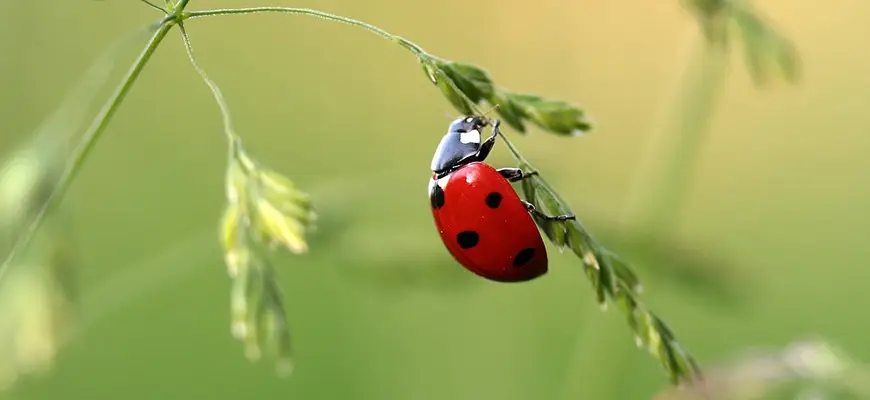
You are probably used to fighting insects in the garden, but did you know there are actually beneficial bugs for plants?
Certain insects can be your only way to prevent an infestation of aphids or mites from wiping out your garden.
This idea of bringing more bugs into the garden to eliminate existing bugs sounds a bit backwards, but this is a pest control strategy as old as time.
We’ll cover which beneficial insects work best for which pests, and help you restore the ideal conditions to your garden!
What Are Beneficial Bugs?
Beneficial bugs, sometimes referred to as biological control agents, are a characterization used to describe insects that can help you in your garden.
They are a particular set of insects that feed on pests, such as aphids, mites, caterpillars, worms, etc.
There are different bugs used to combat different types of outbreaks, and we’ll cover each one in depth later on.
The one drawback of using beneficial bugs is they have relatively short lifespans. This is especially true if you are using them preventatively, as they will run out of food quickly. In general, a colony of beneficial insects will last 2-3 weeks.
Why use beneficial bugs for plants?
The main advantage of using insects to fight insects, rather than using a chemical spray, is that it allows you to remain completely organic.
You won’t have to compromise and spray anything on your plants. Even when it comes to using an OMRI listed pesticide, some growers have their hesitations, and rightfully so.
Many growers use this method preventatively, introducing these insects before they have any signs of pests. Since these bugs pose no risk to your grow and won’t harm your plants, this is a great idea.
Where to find beneficial bugs
These days, there is easy access to helpful insects thanks to the internet. You don’t need to grab your net and go outside hunting ladybugs.
You can find beneficial bugs for any outbreak you could imagine, and have them shipped to your door safely, discreetly, and quickly.
Now, let’s cover the common bugs used to fight common grow room pests.
What are the most common beneficial bugs for plants?
In this section, we are going to cover the most common beneficial bugs for plants that growers use. We’ll share their scientific name, what they can fight against, how to use them, their lifespan, and more.
Ladybugs (Hippodamia convergens)
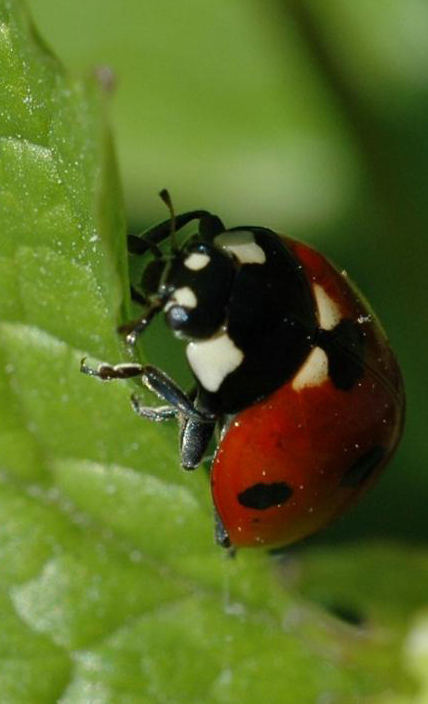
The most notorious beneficial bug is the ladybug. Its reputation for helping growers take control of their grow is well deserved, as they can feast on a variety of insects rapidly.
They do great against aphids, as they are capable of feeding on up to 60 per day, and up to 5,000 over the course of their life!
Ladybugs are a great preventative measure against pests, but when used preventatively, you need to be careful about the quantity you set loose. Try only releasing a couple of ladybugs per square foot of growing space.
- Control for: Aphids, whiteflies, mites, weevils, adelgids and other beetle larvae
- Growing conditions: Ladybugs prefer moist, humid conditions, so keep soil damp and humidity high.
- Lifespan: Ladybugs have a much longer lifespan than many of the other bugs on this list, living between 2-3 years on average.
- Habitat: These bugs live in a very broad range of habitats, including forests, fields, grasslands, gardens, and more.
Delphastus catalinae
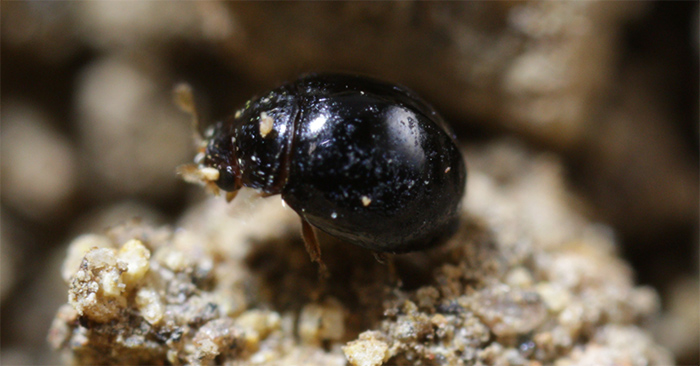
The Delphastus catalinae species is pretty similar to ladybugs, but they are way smaller and more focused on consuming whiteflies.
Another difference between these guys and ladybugs is that ladybugs can exist without a prey, while Delphastus catalinae need to consume a prey to survive.
This is because the female Delphastus catalinae needs to eat at least 100-150 whitefly eggs per day to sustain her own egg-laying protocols.
They not only control whitefly populations through egg consumption, they also directly kill whiteflies by piercing their bodies and sucking the contents out. Pleasant, right?
- Control for: Whiteflies
- Growing conditions: Similar conditions to ladybugs; moist, warm areas.
- Lifespan: These bugs only live for 21-25 days.
- Habitat: As mentioned earlier, these bugs only occur where a prey population can sustain them. Thus, you can find them anywhere you find whiteflies – in gardens, near bodies of water, etc.
Want to learn more about how to get rid of whiteflies? Check out our complete guide to prevention and treatment.
Green Lacewings (Chrysoperla rufilabris)
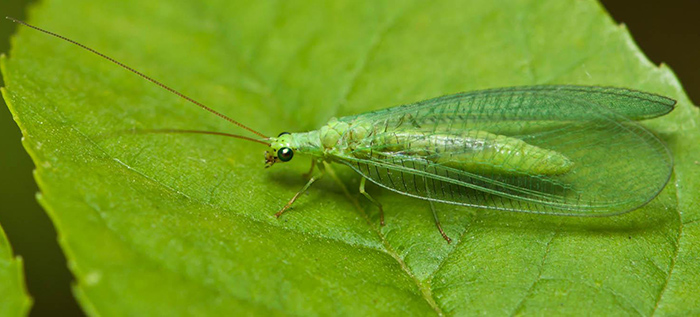
Green Lacewings are commonly used to combat a variety of pests, but do their best work against mealybugs. They also eat aphids, whiteflies, and other scale insects.
They are often found outdoors in the garden, and may come and help you defeat an infestation organically on their own! But, they also do great work indoors.
The adult green Lacewing will lay her eggs near a potential food source, and these eggs hatch into larvae. The larvae themselves are the ones that actually eat the pests. They have a much hungrier appetite, and are thus more inclined to feast on your pests.
- Control for: Primarily used for mealybugs, but will also consume whiteflies, aphids, and other scale insects.
- Growing conditions: Chrysoperla enjoy mild conditions with similar temperature and humidity to an indoor grow room, which is why they work so well though. One thing to keep in mind is you’ll need to plant the eggs somewhere off the ground, making it harder for a different bug or critter to come along and eat them before they hatch.
- Lifespan: 4-6 weeks for an adult Chrysoperla.
- Habitat: Anywhere there are plants, you are likely to find Chrysoperla. They are a common bug all around the globe.
If you want to learn more ways to prevent and control mealybugs, check out our complete guide.


Orius insidiosus
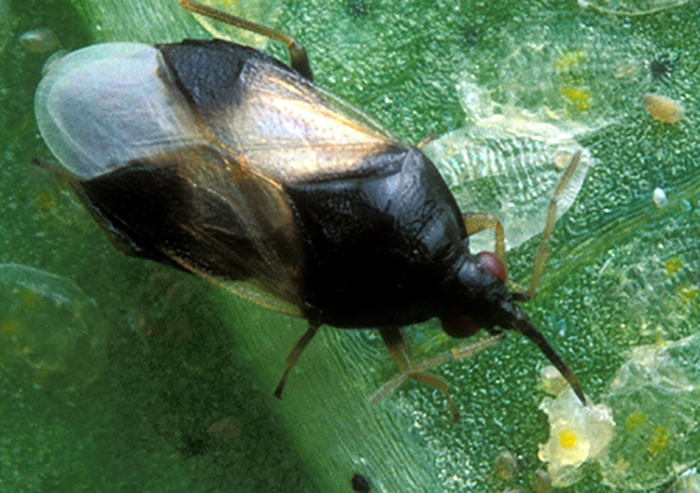
If you are struggling with a thrips infestation, one of the best defenses is Orius insidiosus. This beneficial bug is incredibly aggressive in seeking out and consuming thrips, but they can consume other pests as well.
In the right conditions, one Orius insidiosus can eat up to 12 thrips a day, while killing almost three times as many in the process.
- Control for: Primarily thrips, but can also help with mites, aphids, and moth eggs.
- Growing conditions: These bugs need plenty of daylight, making them most effective during veg periods indoors or during summer months outdoors.
- Lifespan: Orius insidiosus live for 3-4 weeks once they hatch.
- Habitat: These can be found on many agricultural plants as they also consume pollen. These include cotton, alfalfa, corn, pea, strawberries, along with pasture land, in orchards, and more.
Atheta coriaria
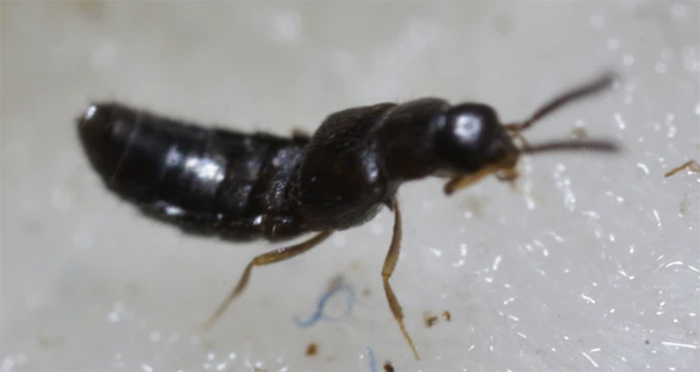
The Atheta coriaria species, sometimes referred to as rove beetles, are a great beneficial bug for controlling fungus gnats.
They are a soil dwelling predator, and love moist, dark areas, just like fungus gnats. They can fly to seek out new prey as needed, so once they finish their work in your garden, they will move onto a fresh food source.
When battling an infestation, Atheta coriaria can consume 10-20 fungus gnats per day.
- Control for: Fungus gnats
- Growing conditions: Dark, moist conditions with mild or warm temperatures. Too much heat or coldness will send them packing.
- Lifespan: Atheta coriaria have a complete life cycle of 21 days, with eggs hatching in 3-4 days to produce fresh larvae.
- Habitat: These are more common in more humid areas of the globe, but can be found in greenhouses and gardens anywhere.
If you want to learn more about how to prevent and eliminate fungus gnats in the garden or grow room, check out our complete guide.
Aphidius sp.
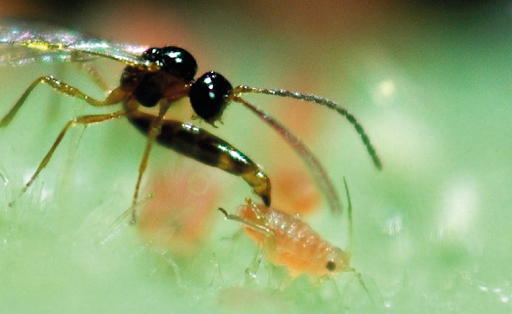
This is a type of wasp which parasitize the nymphs of aphids. When a female wasp lays her eggs on an aphid’s nymphs, the process begins.
The egg then gives birth to a larva, which feeds on the nymphs. This stops the reproductive cycle, and since aphids have a short life span, they dwindle off quickly.
This process happens naturally in the outdoors, because Aphidius sp. is attracted to the sticky honeydew fluid that aphids put off.
- Control for: Aphids
- Growing conditions: These bugs do their best work in relatively humid growing environments (70-80%) with temperatures between 64-75°F. Excessive fluctuations in these conditions can be detrimental to the wasps.
- Lifespan: These insects have about a 4 week lifespan (2 weeks for immature stages, 2 weeks for adult stage).
- Habitat: These can be found on any plant but leguminous crops are commonly attacked by aphids, thus, Aphidius sp. can also be found there.
If you want to learn more about preventing and treating aphids, check out our complete guide.


Aphidoletes aphidimyza
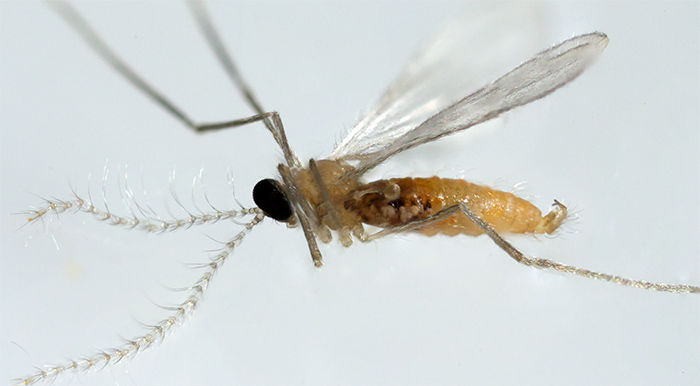
Another insect that can aid in your fight against aphids in the garden or grow room is Aphidoletes aphidimyza. Its a heavy, heavy consumer of aphids, and appears to resemble a large mosquito.
This insect can also feed on mites and other soft bodies insect, making it a great preventative pest control method.
- Control for: Aphids, mites, soft-bodied insects
- Growing conditions: This insect likes longer days with plenty of warmth and moisture. Keep your soil moist so the larva can continue growing and reproducing. Be aware that the adults are particularly susceptible to being killed by pesticides.
- Lifespan: Adult females live for just 1-2 weeks, while the entire cycle ranges from 3-6 weeks.
- Habitat: These bugs can be found in ornamental plants, berries, cole crops, legumes potatoes and other vegetables
Phytoseiulus persimilis
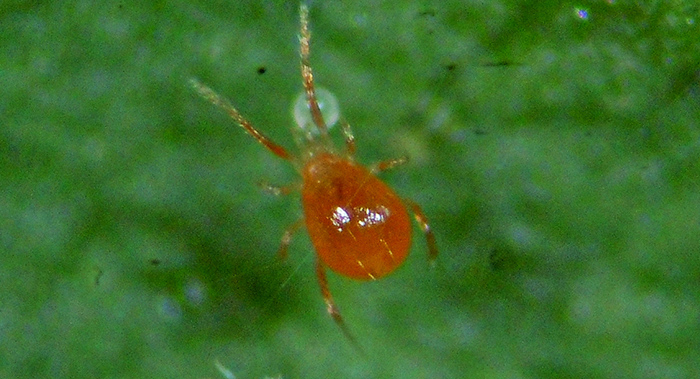
Phytoseiulus is a predator of spider mites. Interestingly enough, its appearance is similar to a spider mite, and they are just about the same size. To the untrained eye, it may appear that a colony of spider mites is cannibalizing!
But they can be distinguished by their bright orange color and slightly more pear shaped body. One of these guys can eat 2-3 spider mites per day, or many of their eggs/larva. They are much more active than spider mites.
Once they consume all the mites in one area, they will migrate to a new area in search of new food.
- Control for: Spider mites
- Growing conditions: These bugs prefer high humidity and mild-warm temperatures.
- Lifespan: Eggs hatch within a day & will undergo a larval stage and two nymphal stages before turning into adult. Once adult, they live for around 8-10 days.
- Habitat: They are commonly found on the underside of leaves where spider mites are usually found. They colonize on a range of leafy vegetables, strawberries, and some flowers.
If you want to learn more about getting rid of spider mites, check out our complete guide.
Trichogramma
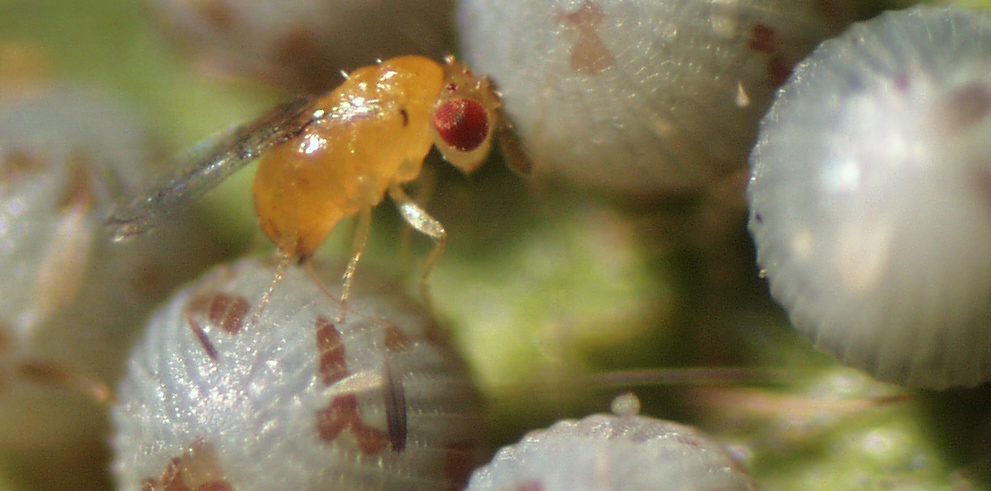
Trichogramma can effectively control a wide range of bugs, sort of acting as a general purpose pesticide without the chemicals!
A female will insert her eggs near the eggs of the unwanted pest, and these will hatch at the same time and feed on the eggs and larva of the bag guys. This rapidly reduces the population.
You can tell they are working by watching the eggs of the unwanted pest, as they will turn black after being infested with Trichogramma.
- Control for: Corn borers, armyworms, fruit, pod and stem borers, caterpillars and a wide variety of moths.
- Growing conditions: These beneficial bugs only need sources of food such as pollen, nectar and honeydew.
- Lifespan: An adult Trichogramma can live up to 14 days.
- Habitat: This species is mostly found in flowering vegetables, dills, wild carrots, leguminous plants and corn.

Beneficial Nematodes
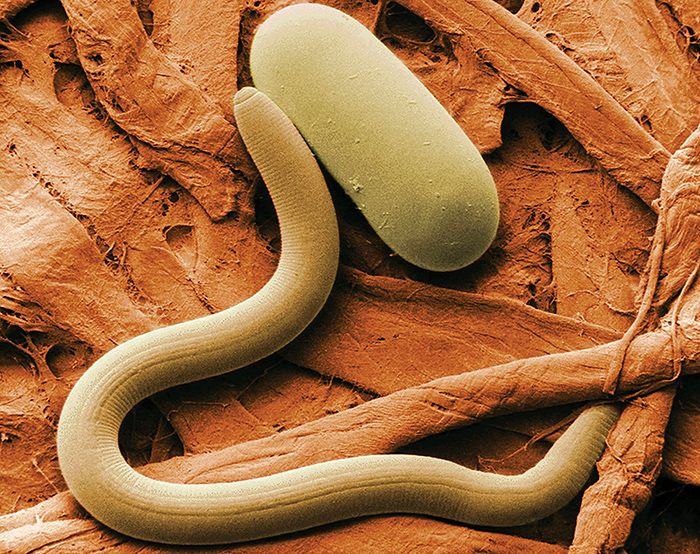
These nematodes are microscopic, non-segmented worms found in the soil. They feed on different insects by parasitism.
Some nematodes can locate their host because of the heat and carbon dioxide they released. They enter the host pests body through different openings or can directly pierce through their skin surface.
Once inside the pest, they release bacteria that can kill the insect within 24-48 hours. Beneficial nematodes work best to control pests when the pests are in their early stages.
- Control for: weevils, fleas, leaf and stem borers, caterpillars, armyworms, fly larvae, fungus gnats, ticks, thrips, leaf miners, root maggots and other insect pests.
- Growing conditions: These bugs cannot withstand extreme temperatures or UV light, so they do best indoors under traditional grow lights. Keep the soil moist.
- Habitat: They live in moist soil, especially near the root systems of the plants.


Final Thoughts On Beneficial Bugs For Plants
These are the most common beneficial bugs for plants, but there are so many others out there.
And these days, access to these insects has never been more convenient. You can have them delivered to your door essentially overnight so you can rapidly decrease the population of your infestation.
If you want to put a dent in your population quickly, however, there are all kinds of insecticidal soaps and pesticides that are completely safe for you, your plants, and the environment. In fact, we even have a review of the top insecticides & fungicides you can use for specific bugs & diseases.
When used properly, these can actually be a great compliment to beneficial bugs for plants. You just have to do a bit of research on how to do so carefully, as to not harm your beneficial insect colony.
We also carry all kinds of insect traps to help you naturally control the insect population in the meantime, along with identifying pests.
If you want to speak with an expert grower to come up with an attack plan for your infestation, give us a call at 888-815-9763 or email us here.