
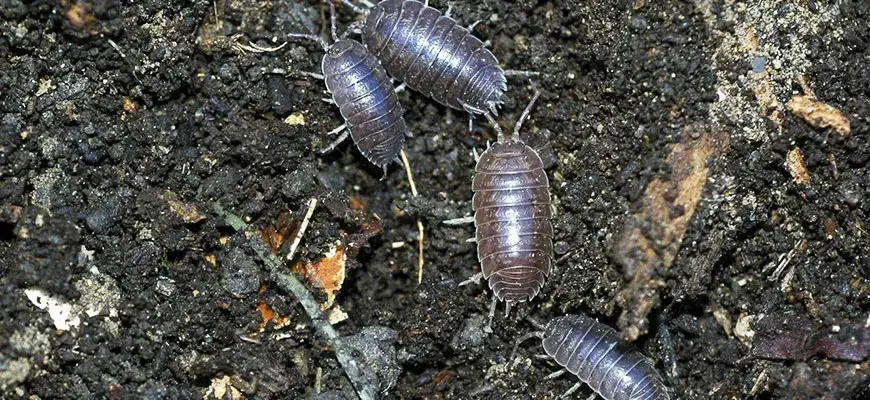
Have an infestation of pill bugs? This is the perfect place for information on how to get rid of pill bugs in the garden!
These bugs are natural decomposers who generally feed on decaying plants. They can be beneficial when it comes to breaking down organic matter in the soil. They also can be destructive pests that cause a variety of problems for your plants.
They easily become abundant since they have very few natural predators. So it’s up to you as the gardener to know exactly what to do to get rid of them.
Pill bugs, or Armadillidiidae, can be prevented and an infestation treated by following these simple steps.


What Are Pill Bugs?
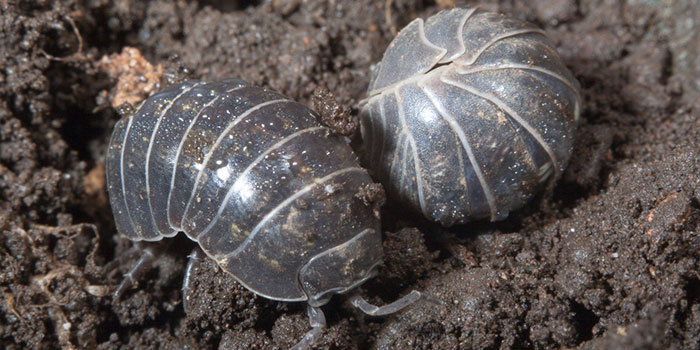
Pillbugs, also known as roly polies, are pests that feed on decaying matter. They are vital to the decomposition process, so while they pose problems for gardeners, they can also be quite beneficial, too.
It’s when pill bugs are present in large populations that you may start having problems. They’ll feed voraciously on many kinds of plant parts. That includes leaves, new roots, and seedlings. They also even feast on fruits or vegetables that come into direct contact with the soil.
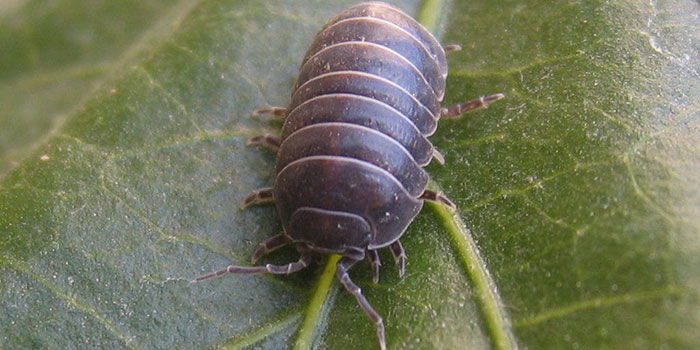
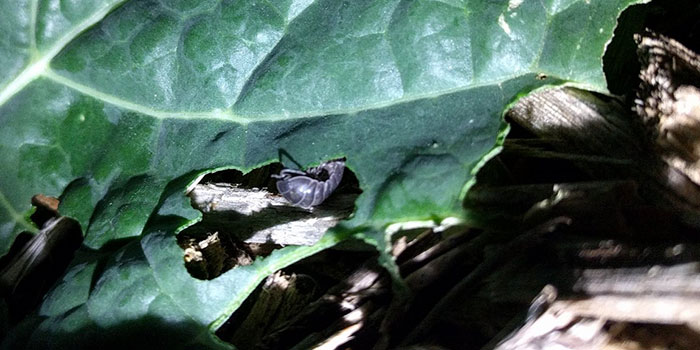
Often found hanging out beneath rocks, mulch, and leaves, these pests love damp, dark environments.
They sometimes enter houses, too, but this is rare. Most of the time, these are a pest outdoor growers deal with. However, it’s not impossible for indoor growers to face them as well.
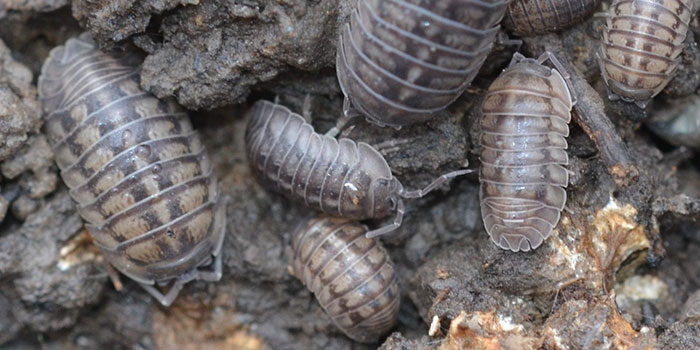
Pill bugs can’t survive for more than a couple of days without water and are incredibly slow-moving. Up close, pill bugs look a lot like crayfish. They are usually less than an inch long and shaped like ovals.
With seven pairs of legs, a hard covering like that of an armadillo (the scientific name makes sense now, doesn’t it?) and two tail-like structures bringing up the rear, pill bugs look like something out of a science fiction movie.
Pill bugs also populate the soil with beneficial microbes, bacteria, and organic matter when they excrete their waste.
Will Pill Bugs Actually Damage Gardens?
There are some situations in which pill bugs can help your garden. So you should make sure it’s actually pill bugs damaging your plants before you take steps to eradicate them.
Many common pests threaten plants in a similar way as pill bugs. Make sure to rule out potential problems from these other creatures before you take any steps toward action. Stink bugs are prime examples of creatures that can cause similar types of damage.
What Do Pill Bugs Eat?
Pill bugs are omnivorous, which means they eat both plant and animal matter. They feed on a variety of things, including dead plant material, decaying organic matter, and small insects. They are also known to eat roots, fruit, and vegetable matter, making them pests in some agricultural settings.
Pill bugs are especially attracted to rotting wood. Rotting wood in damp areas provides them with a good source of nutrients and a place to hide.
Pill bugs can damage your garden in many ways. These ways include feeding on the roots, stems, and leaves of plants. They are particularly attracted to plants that are already damaged or decaying, as these provide an easy source of food.
This means that if you have plants that are already weakened or have suffered damage. The damage can be due to pests or diseases. If they are damaged, they are more likely to be attacked by pill bugs.
Another way that pill bugs can cause damage is by feeding on the fruit and vegetable crops in your garden. They can cause damage to the ripening fruit by burrowing into it, which can make it inedible or unsightly. They may also feed on the leaves of plants, causing them to become discolored or wilted.
Only Get Rid Of Pill Bugs If They Begin Colonizing In Your Media
While pill bugs can cause damage to your garden they are considered to be less of a threat than other pests. Other pests include aphids, slugs, or snails. However there is hope if you think you notice a rising infestation. If you act quickly there are several steps you can take to prevent further damage.
However, pill bugs also reproduce rapidly. These pests mate throughout the year, but especially during March and April.
Females can produce broods of 30-40 young with each living up to the years. They can produce up to two generations per year too. Depending on the weather conditions one pair of mating pill bugs can quickly lead to a huge infestation in the garden.
Once pill bugs start reproducing and colonizing your garden, you’re going to need to take action. They can be particularly detrimental in potted plants, where they’ll munch on leaves and plant roots.
The best way to determine if you have a pill bug problem is to monitor your garden closely. This means keeping a close eye on the pill bug numbers and staying on top of their growth.
Pill bugs generally become destructive only when they are not exposed to natural predators like birds. They then become overpopulated. This is common in potted plants and indoor-grown plants.
How To Prevent A Pill Bug Infestation In The First Place
There are several simple ways you can prevent these pests from entering your garden at all. The easiest way is to remove the habitat that is favored by roly-poly bugs.
Get rid of weeds, fallen fruits and vegetables, leaf piles, and other kinds of garden debris. Keep things clean throughout the year. This is especially true at the end of the growing season when the garden tends to be the messiest.
Pill Bugs Love Moist Conditions
You should practice proper watering too. Eliminate the likelihood that the soil stays overly moist. This helps provide the ideal environment for these water-loving creatures.
ake sure you don’t over mulch. Use a type of mulch that is coarse enough to allow water to pass through.
That way, the surface near the plants won’t remain damp for too long. When you mulch, do so cautiously.
Too much mulch gives pill bugs a place to hide from predators. This also keeps the soil wet, allowing the bugs to multiply.
That said, don’t underwater your garden. Dry, depleted soil is robbed of organic matter that these bugs feast upon. This means they’ll turn to your plants for food instead.
Companion Planting
Companion planting is another way you can control potential infestations of roly poly bugs.
Plants like marigolds and chrysanthemums may help keep your vegetables safe from these creatures.


How To Get Rid Of Pill Bugs In The Garden Naturally
Of course, you can always rely on insecticides to get rid of these pests in the garden. However, there are several steps you can take to get rid of pill bugs in the garden naturally.
First, improve the air circulation around your plants by trellising vines and getting fruits and vegetables up off the ground.
You can also make pill bug traps out of things like cups of beer, orange rinds, and bamboo. These traps will need to be checked often and the pill bugs disposed of.
Physically Remove The Pill Bugs From Your Soil
Removing pill bugs from your soil sounds like a mundane task. But because these bugs are big and slow enough, it’s actually doable.
You can simply bring a bucket with soap and water and grab these guys out. Drop them into the bucket disposing of them and move along.
If your outbreak is a bit more serious, grabbing individual bugs will be quite a chore.
Instead, consider transplanting your plants into a fresh pot with fresh soil. Make sure to shake the root mass to eliminate any hiding pill bugs. This will give you a blank slate to work with.
Kill Pill Bugs With Diatomaceous Earth
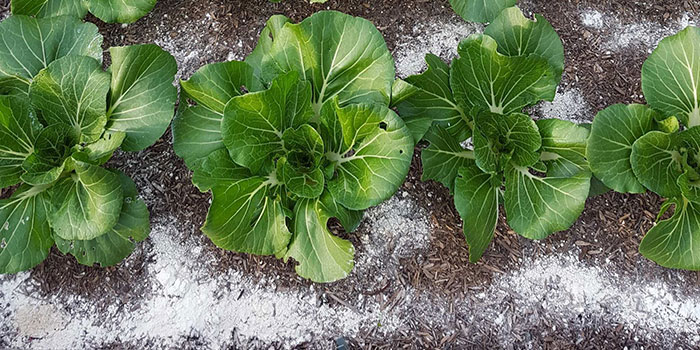
Applying this powder can be a great natural pest control method. This material is made out of the finely ground fossils of prehistoric creatures.
Although this will need to be applied after watering or rainfall. It is abrasive to crawling pests and can be used to keep them away from your plants.
If you want to learn more about this natural, effective pest control method, read our complete guide on how to use diatomaceous earth.
What Insecticide Kills Pill Bugs In The Garden?
If you need to know how to get rid of pill bugs in potted plants, you may find yourself turning to sprays or pesticides first.
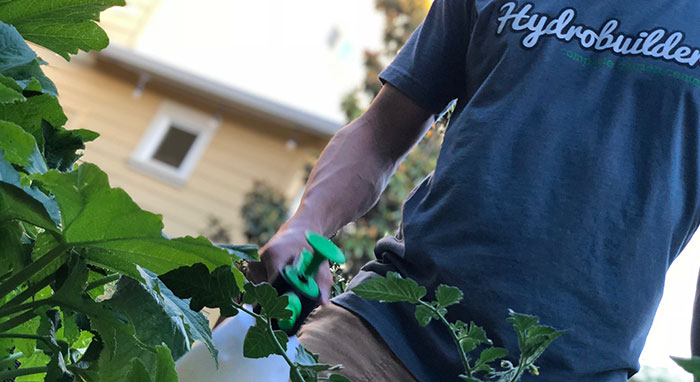
There are several types you can use, including insect killer granules and botanical insecticides that are less toxic than chemical insecticides (since they are derived from plants). Here are some great options:
- Sierra Natural Science 203 Pesticide Concentrate (Formulated From Botanical Extracts)
- Safer Brand Insect Killing Soap Concentrate (OMRI Listed Plant Wash)
- General Hydroponics AzaMax Concentrate (OMRI Listed Prevention & Active Pest Control Pesticide)
In most cases, it’s far easier to prevent a pest infestation in your potted plants by keeping the roots of your plants healthy. You should also maintain strong and healthy soil.
Amend with things like compost and compost tea before and after planting. After this you should find that your plants are far less vulnerable to pill bugs. But should you encounter an infestation anyway, we have the pesticides you need to restore balance.
Final Thoughts On How To Get Rid Of Pill Bugs In The Garden
In conclusion, pill bugs can cause damage to your garden by feeding on plant roots, stems, leaves, and fruit. However, they are generally considered to be less of a threat than other pests, and there are several steps you can take to prevent damage.
You can help to minimize the damage caused by pill bugs in your garden easily. Start by improving the overall health of your garden plants. Remove decaying organic matter, and use appropriate control methods.
Ready to get rid of roly poly bugs in the garden? Now that you know how to get rid of pill bugs, you can simply follow the steps listed above, and you’ll be on your way to a pest-free garden in no time.
You can get everything you need to prevent and treat an infestation of these pests (as well as many others!) by shopping Hydrobuilder’s extensive collection of pest-prevention resources.


