
Fusarium wilt is a detrimental plant fungus that can wreak havoc on your entire grow.
Treatment of this fungus has low success rates, making prevention crucial. But, if you aren’t familiar with this plant disease, how do you know what to look for?
This isn’t as easy to detect as bud rot or powdery mildew, as the disease starts in the soil. But there are still some tell-tale signs you are dealing with an outbreak of fusarium rot.
We’ll share some images to help you identify if you do in fact have this issue, and teach you everything you need to know about it.
We’ll also give you our best prevention methods, along with some last ditch options to save your crop if you suspect your grow is overrun. First, let’s start with the scientific definition.


What is fusarium wilt?
Fusarium Wilt is caused by Fusarium oxysporum, an ascomycete fungus that belongs to the Nectriaceae family.
This deadly plant disease kills your plants from the inside out through a slow process. It starts in the soil, and thus affects your roots first. Then, it progresses upwards through the plant.
Asexual reproduction helps the fungus spread spores rapidly to new plants. But, their reproduction can take place through flowering as well. The germ tubes of both conidiophores and chlamydospores penetrate the roots through the cortex and reach the epidermis and to vascular tissues.
There are currently no reliable methods of treating plants infected with fusarium rot, but there are plenty of ways you can prevent it from infiltrating your grow in the first place.
Before we get to prevention methods, you may be wondering if you need to be concerned for your own health when it comes to fusarium. Let’s cover
Is Fusarium Wilt dangerous to humans?
Not every single strain of Fusarium Wilt is dangerous to humans. But as with all types of rot/mold, it’s best to assume it is, rather than taking a chance consuming flower or fruits with this plant illness.
In general, those with weakened immune systems are more at risk when exposed to fusarium wilt.
It can cause dangerous infections, particularly in the eyes. Smoking flower exposed to fusarium wilt is not advised, even if you think the flower looks fine.
If you have a suspicion your plants are infected, you are better off trashing the plants and starting fresh.
Quick Facts About Fusarium Wilt
- Fusarium Wilt fungus spores can remain dormant in the soil for years.
- Fusarium Wilt is more damaging in acidic soil than alkaline or basic soils. This is why testing your grow media is so important.
- The disease becomes more prevalent at 80°F and above.
- Along with airborne spread, it can reside in infected seeds or clones, bringing the disease anywhere you take it.
- During initial infestations of disease, plants may recover from wilts at night and appear more wilted during the day.
- The disease is more prevalent on broad-leafed vegetables than on narrow and pointed leaves.
What does Fusarium Wilt look like?
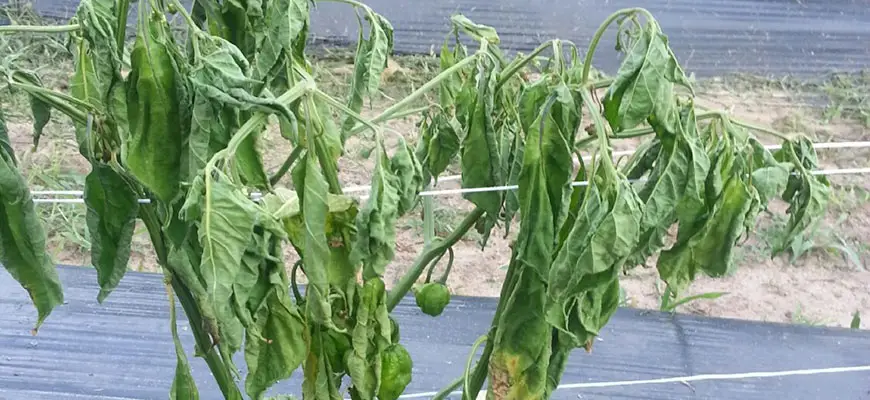
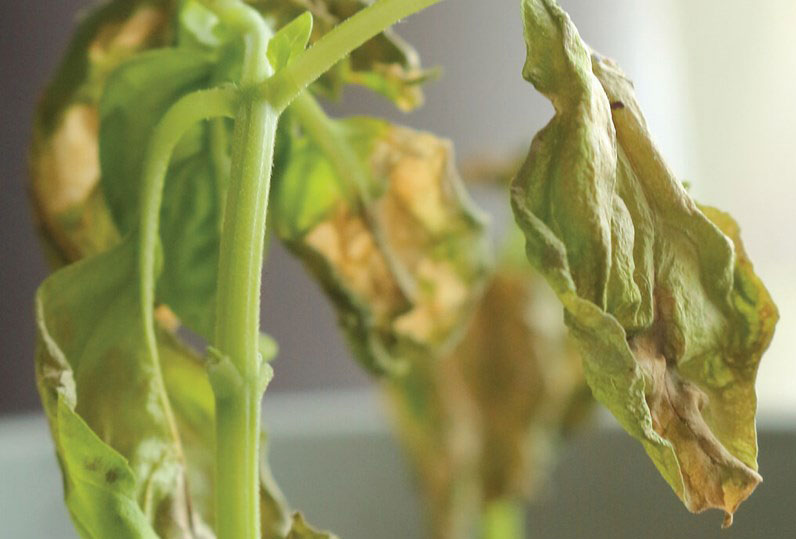
Fusarium wilt is characterized by wilting of your plants, with leaves then turning to shades of yellow, then brown as they completely die.
Look for your dying leaves to start curling upwards at they lose their vigor. While it may appear that the leaves are going to fall off completely, they rarely do.
You can also watch for the stalk of your plant, and then eventually individual branches and stems, to develop a spotted red complexion.
This starts in the roots, but you obviously won’t be able to see it as the soil covers them. Over time as Fusarium starts to take hold, it will move up the plant.
This disease essentially kills your plant from the inside out, so fusarium wilt won’t overtake your plant overnight. It will be a slow process, which is why constantly monitoring your garden is so important.
What causes Fusarium Wilt?
Fusarium oxysporum is a soil-borne pathogen typically caused by warm weather and waterlogged grow media.
It starts in the soil and enters the root system. Once there, it interferes with the water-conducting vessels of the plant.
This results in limited water uptake to the leaves and stem. This dehydration causes the plant foliage to turn yellow and die.
Fusarium oxysporum can also be transported to your garden through rain, wind, insects, and birds.
High temperatures coupled with dry conditions maximize its spread. Another common cause for its spread is low till or zero tillage practice in some outdoor gardens.
This style of growing doesn’t let the soil pulverize, preventing air circulation deep in the soil. As a result, the pathogen has an increased survival chance.
It may also spread through infected seedlings and cuttings, which is why many growers will isolate new plants prior to introducing them to the growing environment.
This way, you can be sure there are no underlying issues with your seeds or clones. In some cases, though, fusarium won’t present itself until later in the plant’s life cycle.
Another cause can be resuing grow media. Reusing soil or coco can save you money, but sometimes, it can be problematic.
Infested garden tools such as pruners and scissors can also spread fusarium. Now, let’s talk about how to prevent fusarium wilt in the first place!
Prevention of Fusarium Wilt
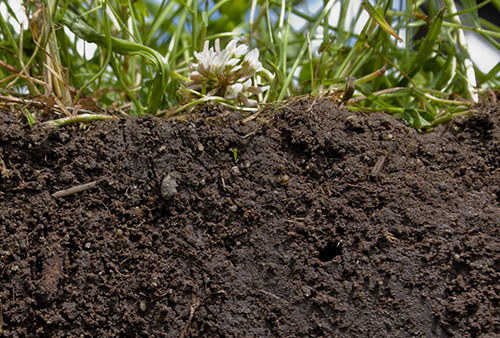
Preventing fusarium wilt depends on how you grow. If you are growing outdoors, you’ll have less control over prevention. But, testing your media and using fresh soil at the start of each grow will often be all it takes to prevent this issue.
The most surefire way to prevent fusarium wilt is container gardening. If you control all your inputs to your garden through pots and soil, you’ll drastically lower your chances of infection.
If you must plant directly into the ground, there are several steps you should take to safeguard your garden. Avoid repeated planting of the same plants in the exact same place in your garden. Try rotations, as the soil-borne disease is often carried forward though infested plant debris and organic matter.
Improve the drainage and water-holding capacity of the garden soil by deep hoeing practices followed by the long exposure of the garden soil to direct sunlight before any new planting expedition. Similarly, grow pads must be replaced after every growing season.
A better alternative is to move your grow indoors. If you grow in a grow tent, you can easily control the conditions of your environment and prevent fusarium from ever having a chance to infest your plants.
As we mentioned earlier, waterlogged soil and humidity create a breeding ground for this fungus.
What products can be used to prevent fusarium wilt?
Some growers will spray preventatively or use a soil drench at the start of or throughout their grow to decrease their likelihood of developing fusarium wilt.
Mycorrhizae (beneficial fungi)
While the jury is still out on just how effective mycorrhizae is when it comes to preventing fusarium wilt, there is reason to believe it has a place in prevention.
In general, this beneficial bacteria improves conditions in your soil, working to improve plant resistance.
It also increases root development, so you should consider adding it to your feeding regimen anyway!
How to treat fusarium wilt outbreaks in the garden
As we already covered, there are not any proven methods for eradicating fusarium wilt once it overtakes your plants.
Your only real option is to stop it’s spread – remove infected plants from the growing environment, along with anything they come in contact with: tools, soil, pots, etc.
If you act quickly, you can salvage uninfected plants just by removing the culprits.
If you are growing outdoors directly in the ground, you can clean the soil with hydrogen peroxide (H2O2). Even then, we recommend sticking to container gardening.