Powdery Mildew: Prevention, Treatment & Control
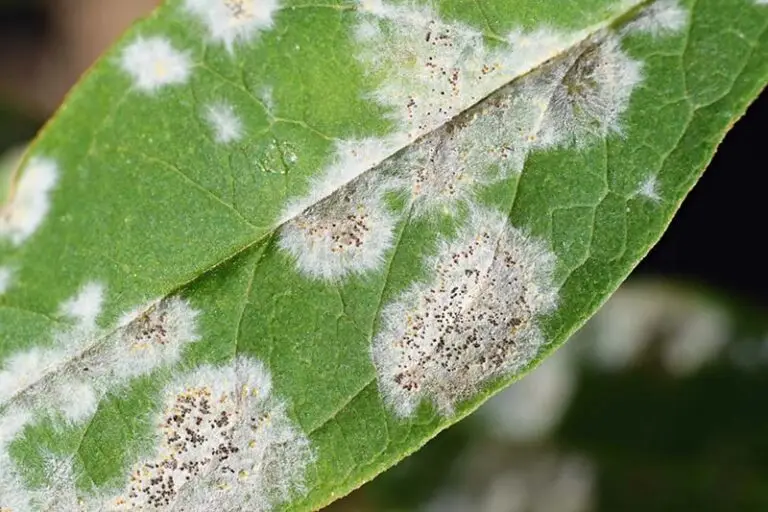
Powdery mildew on plants, referred to as PM for short, is a fast-acting, harmful fungus. It is airborne and can overtake an indoor garden incredibly quickly.…

Expert pest and disease management for indoor and outdoor growers. Identify common insects, fungal diseases, and environmental stressors — then treat them with organic, biological, and chemical options that protect your crop without compromising quality.
Powdery mildew on plants, referred to as PM for short, is a fast-acting, harmful fungus. It is airborne and can overtake an indoor garden incredibly quickly.…

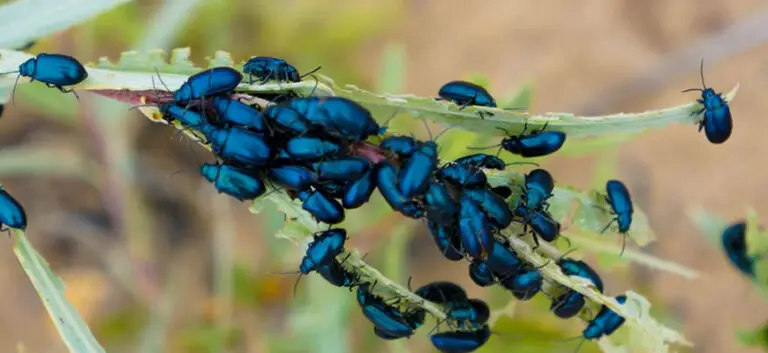
Flea beetles are tiny, fast-moving pests that chew small holes in plant leaves and can quickly devastate young seedlings. In this guide, you’ll learn how to…

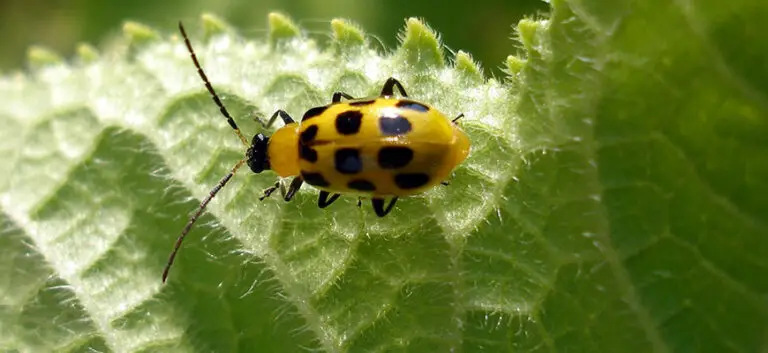
Cucumber beetles are one of the most destructive garden pests, targeting cucumbers, squash, melons, and more while spreading dangerous plant diseases like bacterial wilt. If left…

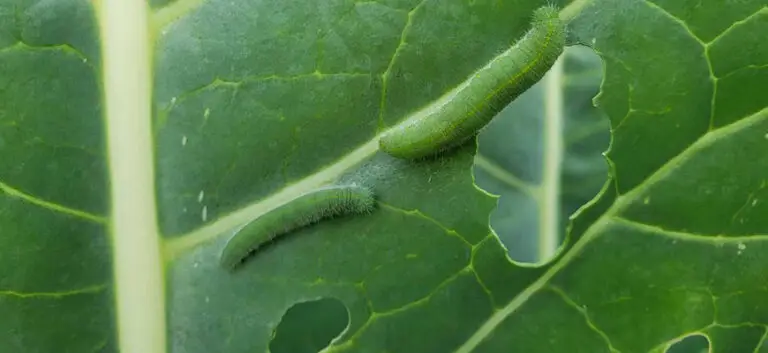
Cabbage worms are one of the most destructive garden pests for brassicas, chewing through cabbage, broccoli, kale, and cauliflower with alarming speed. Left untreated, they can…

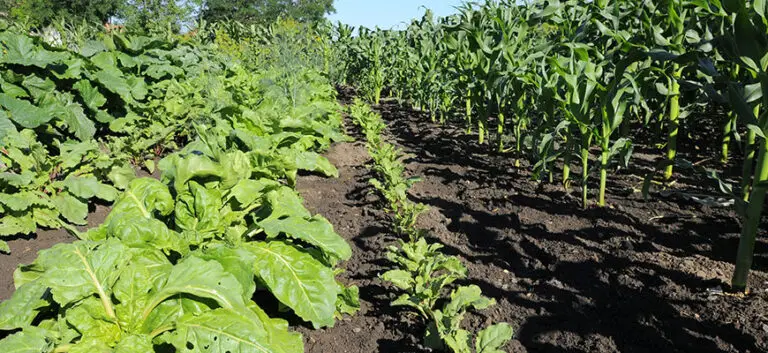
Community is important! That’s true for plants, too. Certain plants grow better together in a concept called companion planting. Believe it or not, the relationships between…

Cutworms may be small, but their damage can be devastating—severing seedlings at the base overnight and ruining your garden before it even gets started. These moth…

Organic pest control works best as a system, not a single spray. This guide breaks down what actually qualifies as organic under USDA and OMRI standards,…

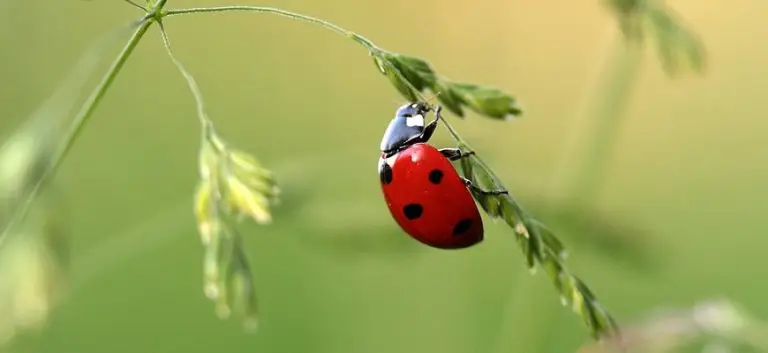
Beneficial insects are organisms — predators, parasitoids, or parasites — that reduce pest populations by feeding on them or interrupting their reproductive cycle.

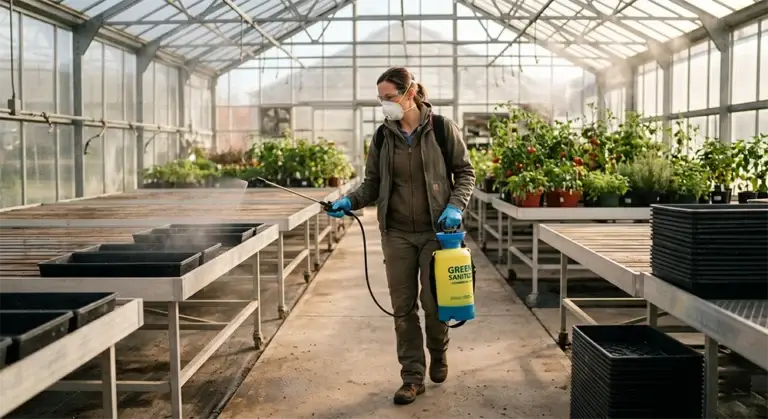
Pathogens that survive a harvest do not disappear between cycles. Botrytis spores, powdery mildew propagules, fusarium, and pythium persist on walls, benches, growing containers, irrigation emitters,…

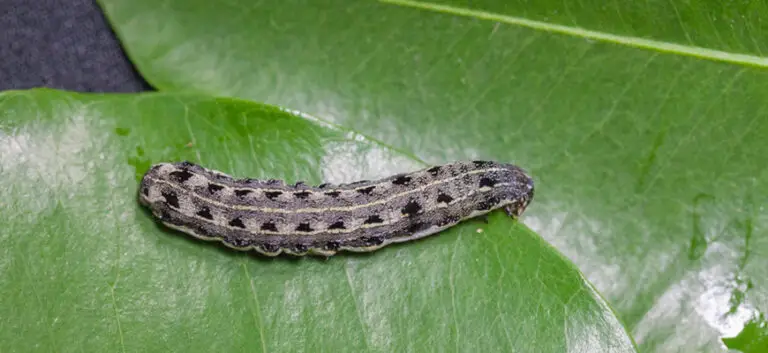
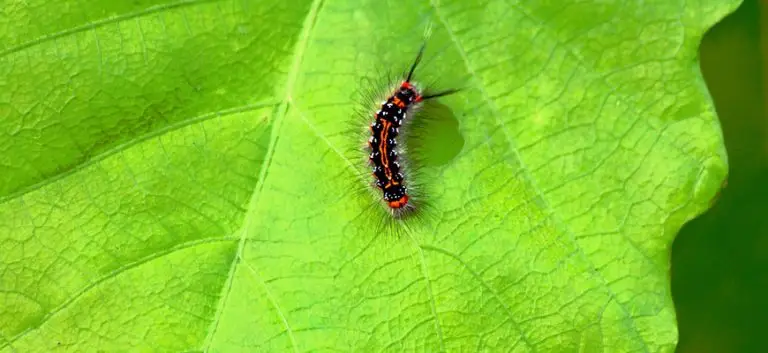
There are several telltale signs that caterpillars are wreaking havoc on your garden. Usually, they’re most active during the hot summer months. If you notice that…

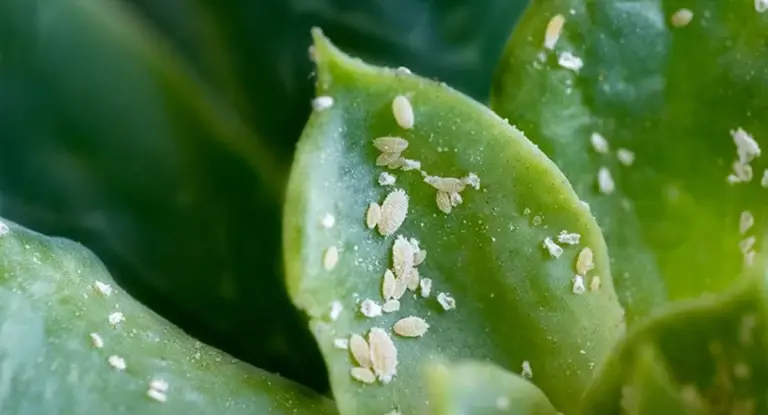
Scale insects are small sap-sucking pests that attach themselves to leaves, stems, twigs, branches, and fruit tissue, feeding on plant fluids through piercing-sucking mouthparts. They are…

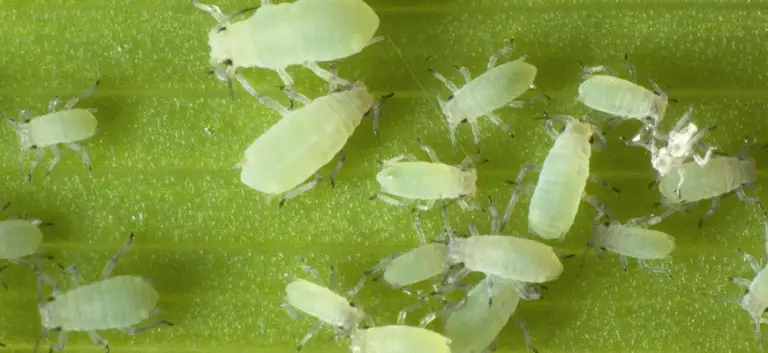
Aphids are one of the most common — and fastest-escalating — pests growers face at any scale. A single female can produce up to 12 nymphs…