Better Uptake. Stronger Roots. Higher-Quality Yields. All With Botanicare Supplements.
A well-built nutrient plan starts with a strong base program—one that reliably covers your NPK foundation and the essential micronutrients plants use every day. Many growers lean on Botanicare PURE BLEND® PRO as an all-in-one base solution.
But plants don’t grow in identical situations. Your water source, substrate, genetics, and environment all influence how nutrients behave. That’s why many growers layer additional supplements into their system: not for complexity, but for precision crop steering. Botanicare Supplements were designed with crop steering methods in mind that alter nutrient ratios based on changing plant needs at different growth stages.
This guide explains how the major supplement categories fit together so you can build a feeding program that stays organized, predictable, and aligned with your cultivation style—and understand where Botanicare supplements fit into the larger structure.
Why Growers Layer Botanicare Supplements Beyond the Base Program
A complete NPK formula covers the essentials, but each cultivation setup introduces variables that often require fine-tuning.
Water Chemistry
RO water, tap water, and well water all start at different mineral baselines.
This affects how growers manage:
- Calcium and magnesium levels
- Alkalinity and pH drift
- Buffering capacity in the root zone
For example, RO Systems typically need more Ca/Mg supplementation, whereas high-alkalinity tap water may require tighter pH control.
Substrate Type
Different media interact with nutrients in unique ways:
- Coco tends to hold onto calcium and release potassium
- Rockwool offers low buffering but rapid nutrient availability
- Soil and soilless blends hold nutrients longer and may require lighter feeding
These differences influence how growers choose supplements and dial in EC targets. Most large-scale commercial cannabis cultivation systems use inert, soilless substrates such as coir, peat or rockwool. This makes it possible for shifts in nutrient ratios of the fertigation solution to alter how plants allocate resources to the various organs (i.e. leaves, roots, flowers, etc.).
Growth Stage Organization
Plants have shifting needs throughout their life cycle:
- More nitrogen and calcium during early vegetative growth
- Added potassium and Micronutrients during transition
- Higher phosphorus/potassium ratios during late bloom
Layering supplements allows growers to track these shifts without rewriting their entire program each time.
Environmental Factors
Modern environments—high PPFD lighting, controlled VPD, precision irrigation—place different demands on root zones.
Growers may adjust:
- Silicon levels for mechanical stress
- Microbial inputs for root-zone resilience
- Carbohydrates or humates for improved nutrient availability
Program Structure & Tracking
Many growers prefer a modular system because it allows them to:
- Diagnose changes one category at a time
- Keep adjustments predictable between batches
- Scale the same plan from hobby tent to a commercial facility
Smart stacking isn’t about adding “more.” It’s about adding with intention.
Smart Feeding Practices
To get the full value from your supplements:
- Follow label mixing directions carefully—order of operations matters.
- Monitor feed and runoff EC/pH to understand how your plants and substrate respond.
- Document your feeding plan so improvements can be repeated across cycles.
- Test one change at a time when trying new supplements or new genetics.
Botanicare Supplement Categories Explained
Calcium/Magnesium Supplements
Purpose: Strengthen cell walls, support enzyme function, and balance cation exchange, especially in RO systems or coco-based substrates.
Helps With:
- Preventing Ca/Mg deficiencies
- Enhancing nutrient uptake stability
- Improving structural growth during veg
Humates & Seaweed/Kelp Inputs
Purpose: Support nutrient availability and root-zone activity via humic/fulvic acids and natural plant compounds.
Helps With:
- Chelation and nutrient mobility
- Root development
- Stress mitigation during transitions
Carbohydrate & Amino Acid Blends
Purpose: Provide plant-available energy sources and amino building blocks.
Helps With:
- Supporting plant metabolism
- Nourishing beneficial microbes
- Enhancing aroma and flavor development in late bloom (depending on formula)
Microbe-Focused Root-Zone Products
Purpose: Introduce or support beneficial microbial populations that help protect roots and stabilize nutrient availability.
Helps With:
- Root development
- Resilience under varying irrigation strategies
- Healthier, more efficient nutrient uptake
Bloom-Phase PK Supplements
Purpose: Provide elevated phosphorus and potassium during mid-to-late bloom.
Helps With:
- Flower formation
- Density and structural development
- Supporting energy demand during peak production
Micronutrient / Trace Element Blends
Purpose: Ensure the full spectrum of essential elements is available when a base program or water supply may be lacking.
Helps With:
- Preventing hidden hunger deficiencies
- Supporting enzyme systems and metabolic pathways
- Keeping growth uniform and predictable
Botanicare Supplements by Category
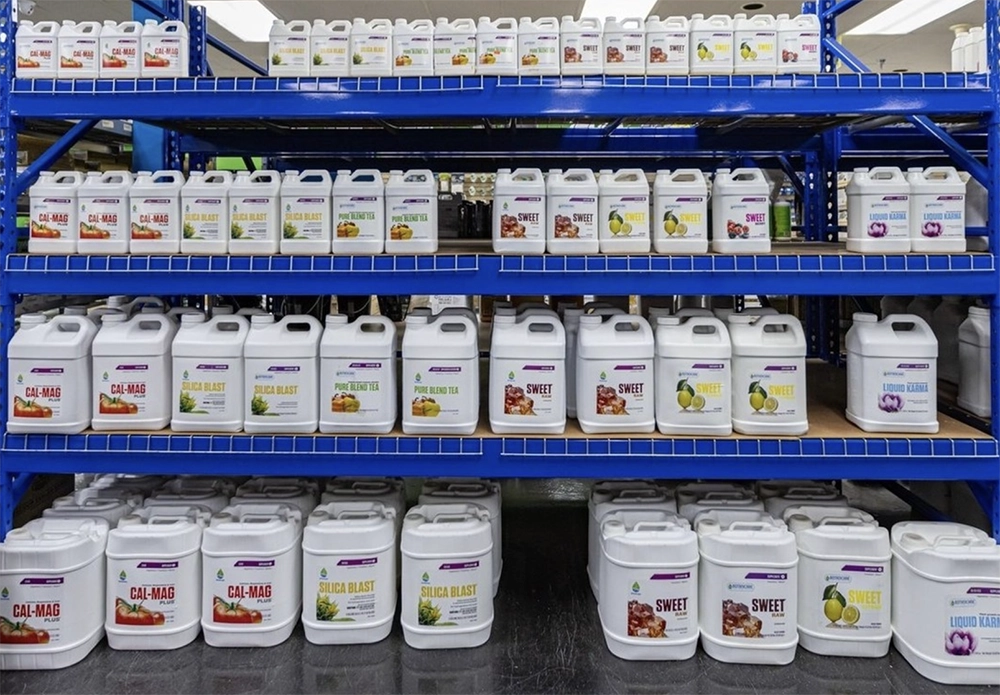
Here’s how Botanicare supplements align with the categories above:
Need Help Structuring A Botanicare Supplement Feeding Plan?
Our team supports growers of all sizes—from home hobbyists to full-scale commercial facilities.
If you’d like help matching Botanicare supplements to your:
- Water chemistry
- Substrate
- Irrigation strategy
- Environmental conditions
—we’re here to help you build a clean, organized, and grow-ready nutrient plan.
Frequently Asked Questions: Smart Stacking & System Maintenance