

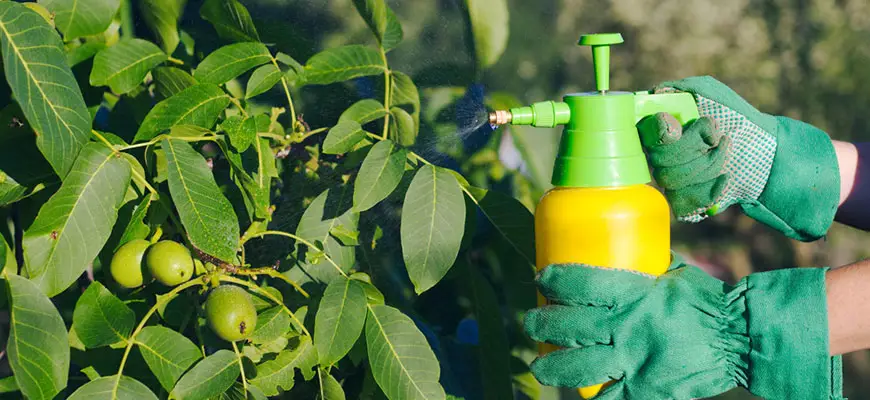
Insecticidal soap eliminates soft-bodied insects on contact by disrupting their outer tissues and interfering with respiration — without leaving persistent toxic residues on plant surfaces when used according to label directions. Made from potassium salts of fatty acids derived from plant or animal oils, it is one of the most grower‑friendly pest treatment options available and is effective against many common pests in both indoor and outdoor growing environments when properly applied.
Whether you’re dealing with an aphid outbreak in a backyard garden or managing spider mites in a commercial grow room, this guide covers everything you need: how insecticidal soap works, which pests it controls, when and how to apply it safely, the best products on the market, and how it fits into a complete IPM strategy.
These principles apply at every scale — from a 4×4 tent to a multi-room commercial facility. Growers managing larger operations will find a dedicated commercial-scale workflow section toward the end of this guide.
What Is Insecticidal Soap and How Does It Work?
Insecticidal soap is a contact-killing insecticide formulated from potassium salts of fatty acids — compounds typically derived from plant or animal oils and refined for crop safety. It leaves minimal persistent residue, and under typical outdoor conditions, residues generally break down within about a week, although exact persistence varies with environment and specific product. Many labeled insecticidal soaps are approved for use on edible crops, including close to harvest, when used according to the product’s directions and any listed pre‑harvest intervals.
The mode of action is primarily physical, but not fully understood; proposed mechanisms include disruption of cell membranes and cuticular waxes leading to desiccation, interference with normal cell metabolism, and blockage of spiracles (breathing pores) that impairs respiration. When the soap solution contacts a susceptible insect, the disturbed cell membranes and cuticle can lead to leakage of cell contents and dehydration, while coverage over spiracles can further stress respiration and contribute to mortality. Because the primary effects are broad physical disruptions rather than a single biochemical target, insecticidal soaps are generally considered lower risk for resistance than many conventional insecticides, but resistance to broad‑mode products is still possible, so rotation and integrated tactics are recommended.
One critical characteristic to understand before you spray: Insecticidal soap is a contact killer only. It must contact and thoroughly wet the pest to work, and activity drops off as the spray dries. Once it dries on plant surfaces — typically within 15–30 minutes indoors and often faster in warm or breezy conditions — it provides little to no residual control, so thorough, complete coverage at application time is essential.
Which Pests Does Insecticidal Soap Control?
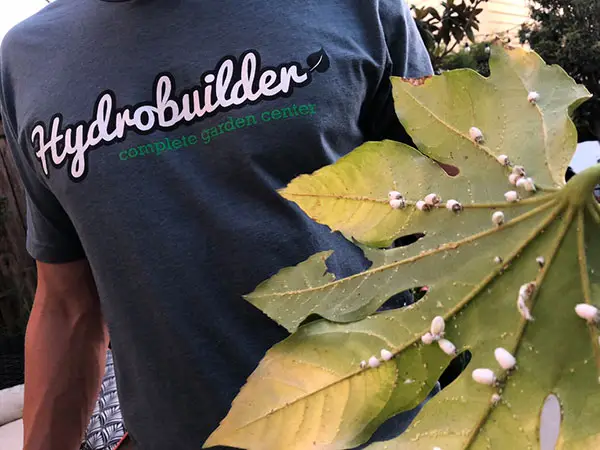
Insecticidal soap is most effective against soft-bodied insects and mites and generally has limited effect on hard‑bodied pests. It works best against:
- Aphids — one of its most reliable targets; saturate leaf undersides where colonies cluster.
- Spider mites — effective on motile stages (nymphs and adults) when coverage is thorough; egg control is more limited and may require rotation with oils or other tools.
- Whiteflies — target adults and nymphs on leaf undersides and growing tips.
- Mealybugs — can help suppress exposed individuals with thorough, repeated applications, but heavy wax can reduce efficacy and may require integration with oils or systemics.
- Thrips — more effective on exposed nymphs; adults with tougher cuticles are somewhat more tolerant, so soaps are usually part of a broader program.
- Scale (crawlers) — works during the mobile crawler stage before the shell hardens; mature, armored scales are much less susceptible.
- Leafhoppers and psyllids can provide knockdown on earlier stages and exposed adults with good coverage.
- Fungus gnat larvae — certain labeled insecticidal soap products can be used as a soil drench to help suppress larvae, but always confirm soil‑drench use and rates on the product label before treating media.
Insecticidal soap is not effective against most hard-bodied insects such as adult beetles, larger caterpillars, or mature scales with intact shells, and these typically require other control measures. For those pests, see our guides on organic garden pest control and integrated pest management.
Insecticidal Soap vs. Neem Oil: Which Should You Use?
Both insecticidal soap and neem-based products are widely used in organic and low‑impact IPM programs, but they play different roles and behave differently after application. Choosing the right one depends on whether you’re dealing with an active infestation or trying to stay ahead of one.
| Feature | Insecticidal Soap | Neem Oil |
|---|---|---|
| Best use | Active infestations | Prevention + active control |
| Residual effect | None to minimal (contact only; little activity once dry) | Up to several days of residual activity under typical conditions, depending on light and temperature |
| Mode of action | Primarily physical (membrane/cuticle disruption, desiccation, respiratory interference) | Primarily biochemical (azadirachtin and related compounds acting as feeding deterrents and insect growth regulators) |
| Fungal disease control | Limited, mostly via surface cleaning and coverage | Yes; many neem formulations provide suppression of diseases like powdery mildew, rust, and some blights |
| Resistance risk | Generally low but not zero; rotation still recommended | Low to moderate; rotation and integrated tactics recommended to preserve efficacy |
| Frequency during outbreak | Every 3–5 days due to lack of residual | Every 7–14 days depending on label, crop, and pressure |
| Late flower use | Use with caution and label compliance, focusing on minimal, targeted coverage | Often not recommended close to harvest due to residues and potential impact on flavor/aroma; always follow label and local regulations |
The practical rule: use insecticidal soap when you have a visible, active infestation and need rapid contact knockdown with minimal residuals, especially in environments where you want residues gone quickly. Use neem‑based products between spray cycles as a preventative tool, or when you need both insect and disease suppression, always staying within label directions for crop, interval, and pre‑harvest timing. For a full breakdown, see our guide on how to use neem oil on plants.
The Best Insecticidal Soap and Plant Wash Products
Not all plant-based pest treatments are created equal. Here are our top picks across the category — from ready-to-mix concentrates to multi-action plant washes — followed by the best rotation and escalation options when soap alone isn’t enough. Product suitability for cannabis and other regulated crops should always be confirmed against current local regulations and testing requirements.
#1 — Lost Coast Plant Therapy ⭐ Top Pick
Lost Coast Plant Therapy is our top recommendation for growers looking for a contact‑kill plant wash formulated with natural ingredients that goes beyond basic soap. According to the manufacturer, it uses food‑grade plant oils, citric acid, and other botanically derived ingredients to control soft‑bodied insects, their larvae and eggs, and certain plant diseases like powdery mildew on contact, without relying on conventional synthetic pesticides when used as directed.
Key advantages for growers:
- Lab‑friendly formulation — the manufacturer promotes that it is suitable for use on food crops and can be used through harvest when label directions are followed, which makes it attractive for cannabis and specialty crop producers subject to residue testing.
- Fast-acting — begins affecting insects on contact by disrupting their ability to feed and breathe; like other contact tools, it should be applied to fully cover target pests rather than relied on for residual control.
- Broad-use positioning — labeled for use against a wide range of soft‑bodied insects and some disease issues, which makes it a versatile tool in a rotation when combined with good scouting and environmental management.
- Flexible timing — the manufacturer states it can be used on plants at all growth stages, including flowering and fruiting, when applied according to directions and with attention to coverage and drying.
Application rates: Manufacturer use directions specify 1 oz (2 tablespoons) of concentrate per gallon of water as the standard dilution, with thorough agitation before and during application. For difficult pests like russet mites or hemp aphids, many commercial growers increase frequency and may adjust rates within the labeled range; always stay within the product label’s recommended dilution ranges and test new rates on a small group of plants before full deployment. For powdery mildew, follow label directions for initial knockdown sprays and subsequent maintenance intervals, and agitate the sprayer every few minutes during application to keep the solution evenly mixed.
#2 — BioWorks SuffOil-X ⭐ Best Horticultural Oil
BioWorks SuffOil-X is a highly refined 92% paraffinic horticultural oil concentrate that controls insects, mites, and their eggs primarily by smothering and disrupting their cuticle and respiration. OMRI‑listed for organic production, it is labeled for a broad spectrum including spider mites, aphids, whiteflies, scales, mealybugs, and some fungal diseases such as powdery mildew when used according to instructions.
Where SuffOil‑X stands out from traditional soap formulations is mite egg and scale control — the oil film can penetrate into crevices and around eggs that soaps alone often miss, improving coverage on stationary life stages. It is also labeled as a fungicide against certain diseases like powdery mildew and some sooty molds, making it a versatile addition to any IPM rotation when applied within the recommended environmental window.
Application rates: SuffOil‑X is typically diluted at 1–2% v/v in water (roughly 1.25–2.5 oz per gallon), but growers should always follow the specific rate range on the current label for their crop and target pest. Apply when temperatures are within the product’s safe range and avoid application when leaf surfaces are hot; many labels for horticultural oils advise against spraying when temperatures are near or above about 90°F to reduce phytotoxicity risk. For indoor grows, apply with lights off and allow canopies to dry before relighting, and never apply within the label‑specified interval of a sulfur spray because combining sulfur and oil can cause significant leaf burn.
#3 — Central Coast Garden Products Green Cleaner
Green Cleaner is a concentrated plant wash based on surfactant and alcohol chemistry that kills insects and eggs on contact while also helping remove powdery mildew from plant surfaces. The inclusion of isopropyl alcohol improves penetration into tight bud sites and dense canopies, which can make it useful as a mid‑cycle reset spray when mite populations are already established, provided plants are not stressed and environmental conditions are favorable.
Use Green Cleaner as a rotation option between products like Lost Coast Plant Therapy and SuffOil‑X to diversify modes of action and application profiles, and always adhere to label rates, test on a small area first, and avoid combining it with other potentially phytotoxic products in the same tank mix.
#4 — BioSafe AzaGuard
When insecticidal soap provides initial knockdown but populations rebound between sprays, it is often necessary to escalate to a systemic or translaminar insect growth regulator. BioSafe AzaGuard is a 3% azadirachtin‑based IGR that interferes with molting and development between larval, nymphal, and pupal stages, disrupting life cycles and reducing population growth over multiple days. OMRI‑listed and labeled for use against many insect species on a wide variety of crops, it is a key escalation tool in organic IPM programs when contact‑only treatments are not providing adequate control, particularly for pests with protected life stages.
#5 — PyGanic Gardening 5.0% EC
For situations requiring rapid knockdown of a high-pressure infestation — particularly flying adults like whiteflies, aphids, and fungus gnats — PyGanic Gardening 5.0% EC delivers fast contact kill via botanical pyrethrin. Pyrethrin acts on insect nervous systems and provides very rapid knockdown, but has no systemic activity and limited residual, so it is often used as a “rescue” or outbreak tool followed by other products to address immature stages. Use PyGanic as a quick knockdown spray when populations are at outbreak levels, then follow up with a contact wash such as Lost Coast Plant Therapy or SuffOil‑X on subsequent applications to address eggs and larvae within label guidelines.


When to Use Insecticidal Soap: Timing Your Applications
Getting the timing right is as important as choosing the right product — insecticidal soap only works while it is wet and in contact with pests, so environmental conditions at application time directly affect results.
Best application windows:
- Indoors / grow rooms: Apply with main lights off. Wet foliage under high-intensity lighting can increase the risk of phytotoxicity. Allow plants to dry completely before turning lights back on — typically 45–90 minutes depending on temperature and airflow.
- Outdoors / greenhouses: Apply in early morning or late evening when plants are not under midday heat or intense sun; this extends wet time on the leaf surface and reduces stress.
- Temperature caution: Avoid spraying heat‑stressed plants or applying when air temperatures are very high; many extension sources recommend not applying insecticidal soaps or horticultural oils at or above about 90°F (32°C), especially in full sun, because phytotoxicity risk increases sharply under those conditions.
- Flowering stage: Use with caution in mid-to-late flower. Prefer targeted spot treatments over full canopy sprays from about week 4 onward to protect trichome integrity and reduce the chance of visible residues on finished product.
Spray frequency during an active outbreak: Apply every 3–5 days for at least 3 cycles, or according to product label directions, to account for egg hatch and overlapping life stages. A single application rarely eliminates an infestation because it cannot reach eggs that have not yet hatched; repeat applications are timed so newly emerged nymphs are exposed before they reproduce.
How to Mix and Apply Insecticidal Soap
DIY Soap Solution
A basic homemade insecticidal soap can be mixed using pure liquid castile soap — not dish detergent, which often contains synthetic surfactants, degreasers, fragrances, and other additives that can damage foliage:
- Standard dilution: 1–2 teaspoons of pure castile soap per 1 quart of water.
- More aggressive dilution: Up to 1 tablespoon per quart for severe infestations, but only after testing on a small area or single plant to check for phytotoxicity.
- Always use soft or RO-filtered water where possible — hard water cations (calcium, magnesium) can react with fatty acids to form insoluble soaps, reducing efficacy and increasing residue.
DIY solutions can work in a pinch, but they carry a higher and less predictable phytotoxicity risk than commercial products, and consistency varies between batches. For reliable results across multiple treatment cycles and sensitive or high‑value crops, a purpose-formulated insecticidal soap or plant wash concentrate gives you validated dilution rates, tested crop safety, and a full label to work from.
Step-by-Step Application Protocol
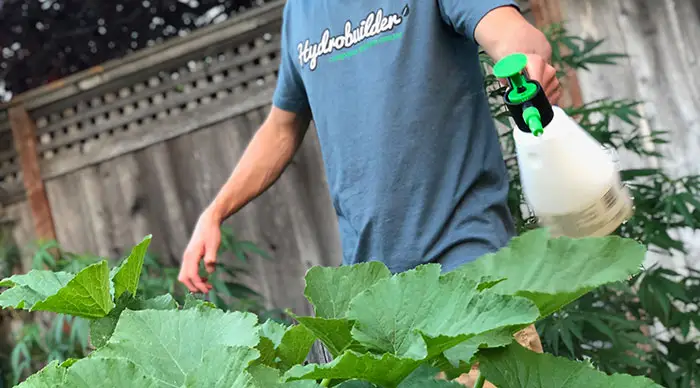
Equipment: Use the HBX 8 Liter Pump Sprayer for full canopy applications — it delivers consistent pressure and a fine, uniform mist that helps achieve thorough coverage without excessive runoff. The 8‑liter capacity reduces the need for refills in small rooms and makes it easier to treat sections of larger facilities efficiently.
- Scout first. Check leaf undersides, growing tips, and stem joints for active colonies. Note infestation density and distribution before spraying so you can evaluate treatment response.
- Mix fresh. Insecticidal soap solutions are most effective when freshly mixed; activity can decline as they sit and react with container residues or hard water ions. Mix a fresh batch for each application session and discard leftovers according to label guidance.
- Lights off (indoors). Turn off grow lights 30–60 minutes before spraying to prevent hotspots on wet leaves, which can increase burn risk.
- Saturate completely. Cover all plant surfaces — leaf undersides, branch joints, bud sites (if label allows), and canopy interior. Incomplete coverage is the most common cause of poor performance with contact insecticides.
- Allow to dry fully. Keep lights off and avoid direct sun until foliage is completely dry to minimize stress.
- Repeat on schedule. Return every 3–5 days or at the label‑recommended interval for at least two more applications, adjusting based on pest pressure and plant response.
Monitor between sprays. Place HBX Yellow Sticky Traps at canopy height after each application to track adult populations and catch any resurgence early.
Plants That May Show Sensitivity
While insecticidal soap is broadly considered low‑toxicity and relatively gentle on plants, certain species and growth stages can show phytotoxicity even at labeled rates — especially when plants are heat‑stressed, drought‑stressed, or when humidity is low and drying is very rapid. Sensitive plant types include:
- Seedlings and new clones (start at half-strength or the low end of the labeled rate range; test on one plant or a small group first).
- Ferns, succulents, and cacti.
- Sweet peas, nasturtiums, and some flowering ornamentals, along with species like horse chestnut and Japanese maple that are often cited as particularly sensitive to soaps and oils.
- Plants with heavy wax or resin coating on leaves, where surfactant action can strip protective layers and increase stress, especially under strong light or heat.
Always perform a test spray on a single leaf or small branch 24–48 hours before a full canopy application when using a new product or treating a new cultivar for the first time, and avoid spraying any plant that is already under significant abiotic stress.
Building Insecticidal Soap Into Your IPM Program
Insecticidal soap works best as part of a layered integrated pest management strategy — not as a standalone solution. Here is how to build it in effectively for both small and commercial grows:
Prevention layer: Maintain environmental conditions that discourage pest establishment — avoid chronic heat stress, maintain relative humidity in ranges appropriate to your crop and growth stage (for many cannabis operations that is roughly 45–55% in veg and around 40–50% in flower, adjusted for your VPD targets), and maintain strong but gentle airflow that prevents still-air pockets where mites and aphids thrive. Use BioSafe ZeroTol 2.0 as a preventative sanitation spray on surfaces, trays, and tools between cycles to reduce pathogen reservoirs according to label directions.
Monitoring layer: Deploy HBX Yellow Sticky Traps at canopy height throughout your grow space, and in drainage or entry areas as needed. Check traps weekly — a sudden spike in trap catches is your early warning system, allowing you to intervene with soap sprays or other treatments before populations become entrenched.
Treatment layer: At the first sign of pest pressure, begin the multi‑cycle soap or plant wash protocol described above, staying within label rates and intervals. Rotate between products such as Lost Coast Plant Therapy, SuffOil‑X, and Green Cleaner across spray cycles to diversify modes of action and reduce the chance of tolerance or behavioral avoidance.
Escalation layer: If populations persist after 3 properly timed treatment cycles, introduce BioSafe AzaGuard or another labeled IGR as a systemic or translaminar layer alongside your contact sprays, and consider adding biological controls. For soil‑dwelling stages, ARBICO Organics Triple Threat Beneficial Nematodes can be incorporated as a soil drench to target larvae and pupae in the growing medium — particularly useful for fungus gnats and some thrips species that pupate in the substrate.


Commercial-Scale Insecticidal Soap Protocol
For facilities managing 1,000+ sq ft of canopy, ad‑hoc plant‑by‑plant scouting and handheld sprayers alone quickly become inefficient. Here is how to scale the protocol without sacrificing precision:
Scouting: Implement a weekly grid-based scouting protocol — divide the facility into zones and assign a staff member to inspect a defined sample (for example, at least 10 plants per zone per week). Use a standardized trap card system with HBX Yellow Sticky Traps (a typical starting density is one trap per 200–250 sq ft at canopy height, adjusted based on pest pressure and layout) and document weekly catch counts per zone. Any zone showing a sustained or 3x week-over-week increase in trap counts should trigger an immediate response and closer plant inspections.
Application equipment: At commercial scale, backpack or wheeled pump sprayers are the minimum; for facilities over 2,500 sq ft, electrostatic or fogger-style application equipment can achieve more uniform coverage with less labor, provided label directions allow that application method. Regardless of equipment, the same rule applies — coverage must reach leaf undersides and canopy interior, not just the top of the canopy.
Treatment rotation: Rotate products on every spray cycle to maintain efficacy and reduce the chance that any one approach becomes less effective over time. A practical 3-cycle rotation might look like:
- Cycle 1: Lost Coast Plant Therapy at the standard label rate.
- Cycle 2: BioWorks SuffOil-X at a mid-range dilution within label parameters (for example, around 1.5% if allowed for your crop).
- Cycle 3: Green Cleaner at the labeled rate for your crop and growth stage.
- If still active after 3 cycles: Add BioSafe AzaGuard or another compatible IGR into the rotation as a systemic layer while reviewing environmental conditions and cultural practices.
Environmental windows: Schedule all spray applications during lights-off periods or during cooler dark periods in greenhouses whenever possible. For multi-room facilities on staggered light schedules, plan spray routes to follow the lights-off cycle room by room. Avoid spraying rooms that are actively lit or significantly above recommended temperature ranges, as the cost of phytotoxicity events can outweigh any labor savings.
Documentation: Log every application — product, dilution rate, application method, zones treated, environmental conditions, and post-spray trap counts. Over time, these records reveal which products and timings perform best in your specific facility conditions and provide the foundation for written pest management SOPs and compliance documentation.
Why Shop at HydroBuilder for Pest Control Products
HydroBuilder carries a complete range of organic, biological, and conventional pest control solutions — from contact-kill plant washes to systemic and translaminar products — sourced from leading brands in controlled environment agriculture. Our team of experienced growers has hands-on familiarity with the products we carry, and we are available by phone or email to help you identify your pest, select the right treatment protocol, and build an IPM strategy that fits your operation’s scale and compliance requirements.
We stock BioSafe, Lost Coast Plant Therapy, BioWorks, PyGanic, and many other proven brands at competitive pricing, with fast shipping to keep your grow protected. If you have questions about any of the products in this guide or need help diagnosing a pest you have not seen before, call our grow experts at 888-815-9763 or reach out by email.
FAQs for Insecticidal Soap
Q: Does insecticidal soap kill spider mite eggs?
A: Insecticidal soap has limited effectiveness on spider mite eggs compared to the motile stages, because eggs are protected by a tougher outer shell that reduces penetration by the spray. Horticultural oil formulas like BioWorks SuffOil-X generally provide better egg coverage due to their ability to form a film over eggs and crevices, so for complete mite cycle management it is wise to alternate between a soap-based wash and a compatible horticultural oil or other miticide according to label directions.
Q: Can I use insecticidal soap on cannabis plants in flower?
A: Many insecticidal soaps and plant washes can be used on flowering cannabis when the product is labeled for that crop and used as directed, but extra caution is warranted in mid-to-late flower due to quality and residue considerations in commercial testing environments. Spot treatments of affected areas are usually preferable to full-canopy sprays from about week 4 onward, and growers should avoid saturating open pistils or dense bud sites where residues could be retained. Always apply with lights off, allow full drying before lights return, and verify that any product used is compliant with your local cannabis regulations and testing panels; Lost Coast Plant Therapy, for example, is marketed as suitable through harvest when used properly.
Q: How often should I apply insecticidal soap for an active infestation?
A: For an active infestation, most programs call for applications every 3–5 days, or according to the specific product label, for at least three consecutive treatment cycles. Insecticidal soap kills only on contact and has little residual activity, so it cannot affect eggs laid before the spray; the follow-up applications are timed so that newly hatched nymphs are exposed and controlled before they mature and reproduce.
Q: What is the difference between insecticidal soap and dish soap?
A: Commercial insecticidal soaps are formulated from potassium salts of fatty acids at specific concentrations and with chemistries selected for plant safety and pest efficacy, and they are tested and labeled for use on living plants. Dish soaps and detergents, by contrast, contain synthetic surfactants, degreasers, enzymes, fragrances, dyes, and other additives that can strip the protective wax layer from foliage and cause leaf burn or other injury, especially under grow lights or low humidity, so purpose-formulated insecticidal soaps or plant washes are strongly preferred over household dish soaps.
Q: Will insecticidal soap harm beneficial insects like ladybugs or predatory mites?
A: Insecticidal soap kills on contact regardless of whether an insect is considered a pest or beneficial; it does not distinguish between species. However, because residues have little to no lasting activity after drying, beneficial insects released after the spray has dried are generally safe as long as they are not directly sprayed. The practical protocol is to apply insecticidal soap, allow it to dry fully and, if needed, rinse residues from sensitive crops, then introduce or release beneficial insects 24–48 hours after treatment, avoiding sprays while beneficials are actively present on the plants.
Q: Can I mix insecticidal soap with neem oil?
A: Combining a small amount of insecticidal soap with neem oil as an emulsifier is a common practice and is often recommended on neem product labels to help the oil mix into water and spread evenly on foliage. A typical home-garden combination is around 1 teaspoon of mild liquid soap plus 1 tablespoon of neem oil per quart of warm water, but commercial growers should follow the specific emulsification and rate instructions on their neem product label and test on a small group of plants before scaling up. Do not combine neem with horticultural oils like SuffOil-X in the same spray program without observing label restrictions, because stacking oil loads and surfactants can significantly increase phytotoxicity risk.
Q: Is insecticidal soap safe for hydroponics systems?
A: In hydroponic environments, insecticidal soap should be used as a foliar spray only, and care should be taken to minimize runoff into reservoirs or recirculating systems. Surfactants from soap solutions can affect dissolved oxygen dynamics, interfere with some beneficial microbes in organic systems, and leave residues on equipment and media surfaces, so direct sprays away from exposed root zones and channels and wipe or flush any surfaces that receive overspray before the next irrigation cycle when possible.
Q: How does insecticidal soap compare to pyrethrin-based products?
A: Insecticidal soap and pyrethrin-based products like PyGanic both provide fast contact knockdown, but through different mechanisms and with different risk profiles. Pyrethrins act primarily on insect nervous systems and tend to provide very rapid knockdown, particularly for flying adults, but can also impact non‑target organisms and may face resistance in some pest populations, whereas insecticidal soap works through physical disruption and is generally considered lower-risk for resistance and environmental persistence; in outbreak situations, many growers use pyrethrin for an initial knockdown and then follow with insecticidal soap or a plant wash over subsequent cycles to manage immature stages and reduce reliance on a single tool.
Q: What's the best way to treat root aphids with insecticidal soap?
A: Root aphids are difficult to control because they colonize the root zone and surrounding media rather than exposed foliage. Insecticidal soap used as a soil drench at appropriate rates can contribute to suppression in some situations, but drenches are harder on beneficial microbes and roots than foliar applications and should be used sparingly and only when allowed by the product label. For significant root aphid outbreaks, integrating a systemic or translaminar IGR like BioSafe AzaGuard (applied as both foliar spray and soil drench where labeled) together with environmental and cultural measures usually provides more reliable long-term control than soap drenches alone.
Q: Can I use insecticidal soap as a preventative spray?
A: Insecticidal soap is primarily a contact treatment and does not provide meaningful residual repellency or long-term protection once dry, so it functions more as a “preventative cleanup” of low-level populations than a true barrier. For genuine preventative pressure, neem-based products or other systemics used at labeled intervals can help create ongoing deterrence, while a weekly or biweekly preventative wash with a product like Lost Coast Plant Therapy during high-pressure periods can keep small, early populations from establishing when incorporated into a broader IPM program that includes sanitation, environmental control, and biologicals.