

Learning how to grow lupine plants in your backyard garden will add a tall, colorful, spiky floral addition that will turn heads. If you’re considering your next project, growing lupine is a fantastic choice.
A fixture of the modern and classic cottage garden, lupines, or Lupinus spp., are attractive plants that can easily grow to four feet in height.
They grow wild in many areas of the United States, but you can easily plant and grow them yourself. Here are some tips on how to grow lupine flowers at home.
What Is Lupine?
Lupines are flowers that grow anywhere between one to four feet tall, growing incredibly tall and displaying glorious colors in what feels like no time.
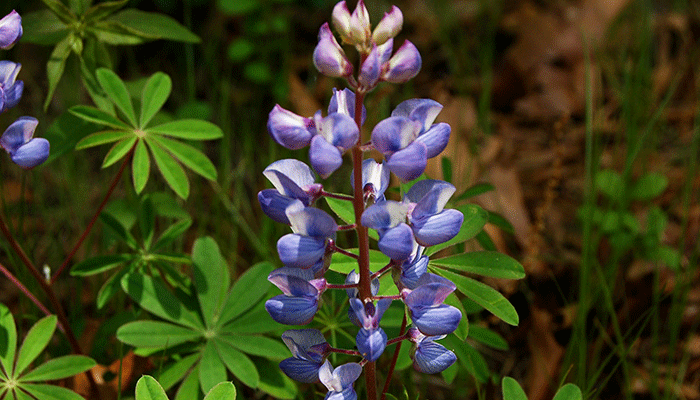
They are diverse in how they can be grown. You can grow them as annuals, producing blooms for only one season, or as perennials, returning for several years in the original spot in which they were planted.
Either way, make sure you’re prepared to settle in for the long haul! Lupines produce flowers from long taproots and hate being moved. This is one plant you shouldn’t transplant indoors for winter.
These flowers grow wild in many parts of the United States. They offer valuable habitat for the larvae of several species of endangered butterflies.
Most lupines come in shades of blue and white, although there are also newer, domesticated versions that offer flowers in pink, purple, yellow, and more.
How Quickly Do Lupines Grow?
One reason many gardeners love growing lupine is how quickly you can get it blooming.
Lupine seeds germinate in about 14 to 30 days, and can usally bloom the very same year!
However, keep in mind that not all plants starting from seed sometimes will produce blooms the first year. Sometimes, you’ll have to wait until the following year.
These plants generally produce for several years in a row after reaching full maturity.
Do Lupines Spread?
Lupines are deep-rooted plants, spreading through reseeding. The new plants won’t necessarily look just like the original variety you planted.
However, you can rest assured that over time, they will revert to white and blue shades.
Are Lupines Hardy?
Lupines are cool-climate perennials that are hardy in zones 3-7. Blooming in the late spring and early summer, they can be grown in most places by taking advantage of things like container gardening.
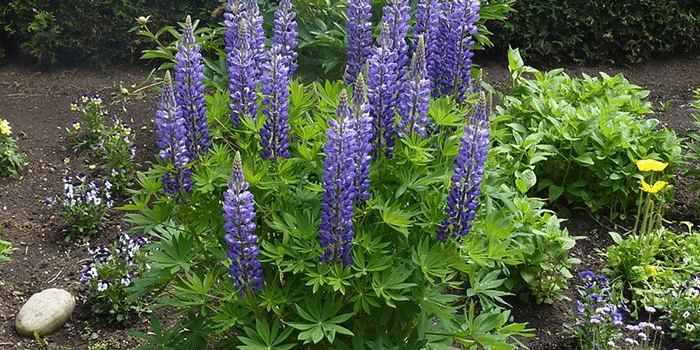
You can also consider bringing these indoors for the winter if you grow them in containers, which is a really great way to ensure these plants keep blooming year after year.
You can protect them from frost and protect your home from a messy garden by growing lupine in our complete grow tent kits.
These will not only contain the mess of your garden (i.e. dirt, plant debris, nutrients/water), but they actually make it easy to create the ideal indoor growing atmoshpere.
Plus, they contain everything you need to grow indoors. Along with your tent you’ll get a grow light (technology of your choice), ventilation system, and other miscellaneous growing accessories.
What Is Needed To Grow Lupine?
Before we teach you how to grow lupine, we need to cover what you’ll need to take this plant from seed to bloom.
If you’re simply growing lupine outdoors and have no desire to keep the garden going year-round, you can get by with very little.
Lupines can be grown directly in the ground as well as in containers. However, the most important thing to remember is that these flowers need well-draining soil.
It doesn’t need to be overly fertile and it can even be on the acidic side (it doesn’t tolerate alkalinity or water-logged conditions).
If you’re looking for some recommendations, check out our review of the best potting soils of the year.

Can You Grow Lupine In Pots?
Container gardening is a great option for growing lupines. They grow quite large, so you’ll need a larger garden pot. Luckily for you, we carry fabric pots that your lupine plants will love in sizes as large as 400 gallons!
This material is great for lupine, which needs sufficient aeration in the root zone/media. Fabric pots are super porous, so the media will dry quicker and your lupine can grow healthier.
You can also consider a super-sized planter box with excellent drainage, such as the ones you’ll see below.
Space your lupine around two to three feet apart (smaller varieties can be planted about a foot apart – these may be a better option for container growing).
Make sure your container is filled with well-draining soil and place them in a location where they will receive full sunlight.
Do Lupines Need Full Sun?
Lupines need well-draining soil above everything else. They prefer full sun but can also be grown in partial shade. Just keep in mind that you might see less frequent, less vibrant blooms.
If you’re growing in a greenhouse, this means you may need supplemental grow lighting, especially during the fall when seasons start to change.


How To Grow Lupine In Your Backyard
The time has come – we’re going to go step-by-step and teach you how to grow lupine.
As we’ve already briefly mentioned, growing lupine is incredibly simple. The process starts with planting it in the right location, though.
Where Do Lupines Grow Best?
Lupines grow best in average soil. You can therefore plant your seeds in locations where other plants might fail to thrive – including those that have not been amended with any kind of fertilizer or compost.
When considering the best location for your lupines, try to choose one in which nitrogen-loving plants will be grown.
As a member of the pea family, lupines are known for their ability to fix nitrogen in the soil.
Planting Lupine In The Garden
If you plan on starting from seed, as many growers do, scarify the seeds before soaking them overnight in lukewarm water to more easily penetrate the seed tissue.
Plant your seeds in a hole that has been amended with a bit of grit for drainage. Seeds should be sown about ⅛” deep.
You don’t need to mulch around the plant after planting, but if you do, make sure it’s not touching the crown of the plant, as this can lead to rot. Water thoroughly after planting.
How Much Water Does A Lupine Plant Need?
One of the most important aspects of learning how to grow lupine is getting the waterings just right.
Lupines require good drainage and regular irrigation. Provide an inch to two inches of water each week (or its equivalent) when conditions are dry.
You can also mulch lightly to keep the soil moist and cool in a warm environment.
Using a drip irrigation system can help keep the soil adequately moist while preventing it from becoming too waterlogged – something lupines hate. For a more detailed understanding of how to properly water plants, read our complete guide.


Caring For Lupine Plants
Fertilizing lupine plants is a good idea if you want to enjoy continued, prominent blooms. Use a high-phosphorus fertilizer. This is the best nutrient for encouraging blooming.
A nitrogen-rich fertilizer will help your plants look lush and healthy, but it will encourage foliage growth at the expense of colorful blossoms.
In addition to using a phosphorus-rich fertilizer, you may want to deadhead spent blooms. This will encourage additional blooming.
Mulch around your plants at a depth of one to two inches, ideally with a natural mulch like straw that will break down and fertilize the soil over time. In order to get the longest possible period of flowering from your lupines, cut off the flower heads once they’ve died down.
The flowers will die from the base of the flower head. In the fall, cut back the plants right to the ground.
You can do this after collecting seed, if you plan on doing so, to extend where you have planted your lupines.
Preparing Lupine For The End Of A Growing Season
It’s important to note that lupine can bloom in the spring after being dormant during the winter. You will need to take some time to prepare your flowers for this period, however.
Lupines produce their own seed. This means the seeds can continue to spread and create new plants the following year.
You may want to mulch around the base of your lupines to help protect the roots from fluctuating winter temperatures and deep freezes.
Otherwise, there’s little else you need to do to prepare them for the end of the growing season. Most varieties will come back for five or six years – be ready to replace your flowers after this period of time has passed.
Final Thoughts On How To Grow Lupine
Now that you know how to grow lupine, you should take the time to add these showstopping blooms to your favorite garden area.
Make sure you choose a location where the flowers will be visible and serve as a beautiful backdrop for your other sun-loving blooms.
Not sure how to get started? Pick up all of your growing supplies at Hydrobuilder – and get your seeds started as soon as the weather warms in the spring.