
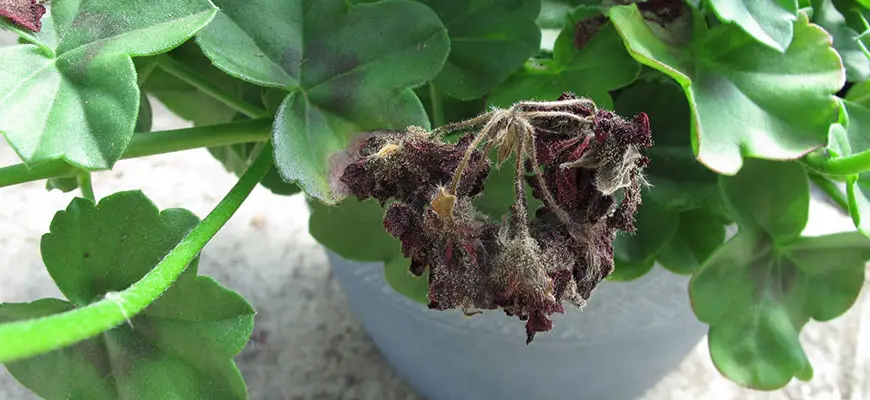
One of the most dreaded conditions you can run into with your hemp plants is bud rot.
This is a fungus that attacks your flowers, and can ruin an entire harvest seemingly overnight.
Knowing what to look for is key, as early detection can be the difference between salvaging your harvest or chopping down and scrapping your entire grow.
Its also important that you know what causes bud rot so you can take steps to prevent it from happening altogether!


What does bud rot look like?
Bud rot will take on different appearances depending on what stage it is in. It tends to develop in your biggest, densest buds first before spreading throughout the plant.
You may notice your plant just looks sick, but aren’t positive what the culprit is. One indicator is the yellowing of your leaves in a short time span, especially if the leaves are coming from a budding site.
Watch for a darkening of your plant matter – leaves, pistils, flowers and all. You’ll be able to differentiate a certain area from the rest of the plant due to this darkened discoloration, and dried up appearance.
On top of the darkening, droopy leaves, look for white mold spots on the leaves or flowers. Upon further inspection of the infected bud, you may notice that it breaks apart incredibly easy, almost as if it has completely dried.
If the bud rot is in a more advanced stage, you will notice “dust” poofs out when you mess with it. These are mold spores.
If this happens, you are spreading more of the fungus spores around your grow. You should immediately remove all infected flowers, which we’ll cover more in-depth later in the article.
What causes bud rot?
Bud rot is simply a term used to describe a very particular type of fungus: Botrytis cinerea.
This awful hemp fungus does exactly what the informal name suggests – causes buds to rot from the inside out.
Most often, the spores need to be carried from another source to your plant.
Therefore you mostly see bud rot in outdoor plants as opposed to indoor plants. The most common ways for Botrytis to be carried to and infect your plants is by rain water or wind.
When growing outdoors, you may encounter this fungus after a few rainy days.
This is problematic, as outdoor plants will start to flower as the rainy season commences.
So is there anything you can do to prevent bud rot, or is it just a matter of chance?
How to prevent bud rot
Poor environmental conditions lead to excess moisture in your grow space, so just setting up a finely tuned ventilation system with air circulation will help prevent bud rot. If you are indoors, here are some things you can do:
Humidity needs to be less than 50%. This is the most important thing you can do to prevent bud rot.
After all, moisture is the botrytis fungus’ best friend. If you struggle to keep humidity down, a dehumidifier will help prevent mold and mildew in the grow room.
Use a circulation fan to keep air moving between your plants and their foliage, this will prevent moisture from settling in one spot.
You can use big pedestal or wall-mounted fans if you have space, but if you are growing in a tent, clip-on fans will do the trick.
Prevent big temperature swings between lights on/off, and aim for 75 degrees Fahrenheit. A growing environment that is too warm, or too cold, can both contribute to mold development.


Preventing bud rot on hemp plants
If you are growing outdoors, your biggest foe will be rain. You can take steps to prepare your plants if the forecast calls for a storm.
Cover your plants with a tarp, using stakes to support it. If you just throw blankets, tarps, or towels on top of your plants, you can break branches and damage buds.
If you aren’t expecting rain and weren’t prepared for a light shower, you can lightly shake your plants in the morning.
Or, for better results, grab a leaf blower and blow the water off your plants! The same tactics can be used to shake off morning dew.
While you’re at it, you should tie your branches to protect them from the wind! A broken stem is an easy access point for bud rot.
Defoliation
You can take things a step further by properly training and defoliating plants. This will help whether you grow indoors or outdoors.
Extremely bushy plants hold humidity within the foliage, which increases the chances of bud rot developing.
Defoliating fan leaves on the underside of your plants will create more airflow while decreasing moisture in your grow space.
Your fan leaves are an escape point for moisture, and the more you have, the more moisture you’ll put out into the environment.
There are tons of other reasons to defoliate, but this is reason enough on its own. Grab a pair of scissors and get to work!


How do you stop bud rot if you encounter it
Unfortunately, there is no magic potion to treat bud rot. There are tons of fungicides for other outbreaks, but bud rot is not one of them.
You can preventatively spray neem oil until your plants are flowering. But, once you start seeing flowers, you shouldn’t spray anything.
If you encounter this fungus do whatever you can to stop the spreading throughout your plant. If you don’t take immediate action, it can quickly spread to your other plants.
Carefully (remember that the spores are easily spread when you touch an infected bud!) remove all infected plants away from the healthy ones.
If you cannot move the plants away to work on them, you’ll just have to be even more careful while you work.
Salvaging your harvest from bud rot
When it comes to salvaging infected plants, its better to be safe than sorry. If you aren’t 100% confident that you have successfully eradicated all contaminated flowers, you are better off scrapping the entire plant and starting fresh.
Never consume any buds tainted with mold. Botrytis mold spores are incredibly toxic.
Knowing they kill your buds from the inside out, you can only imagine what they’ll do to you.
If you want to learn more about protecting your grow, check out our post on the most common pests and diseases!