Tomato hornworms may look plump and harmless, but these pests are anything but innocent. Capable of defoliating a tomato plant in days, hornworms are one of the most destructive garden invaders. And they don’t just stop at tomatoes—they’ll attack peppers, potatoes, eggplants, and any other member of the nightshade family.
Fortunately, you don’t need harsh chemicals to handle them. This guide will teach you how to identify, prevent, and get rid of tomato hornworms naturally using proven techniques and products trusted by growers.
What Are Tomato Hornworms?
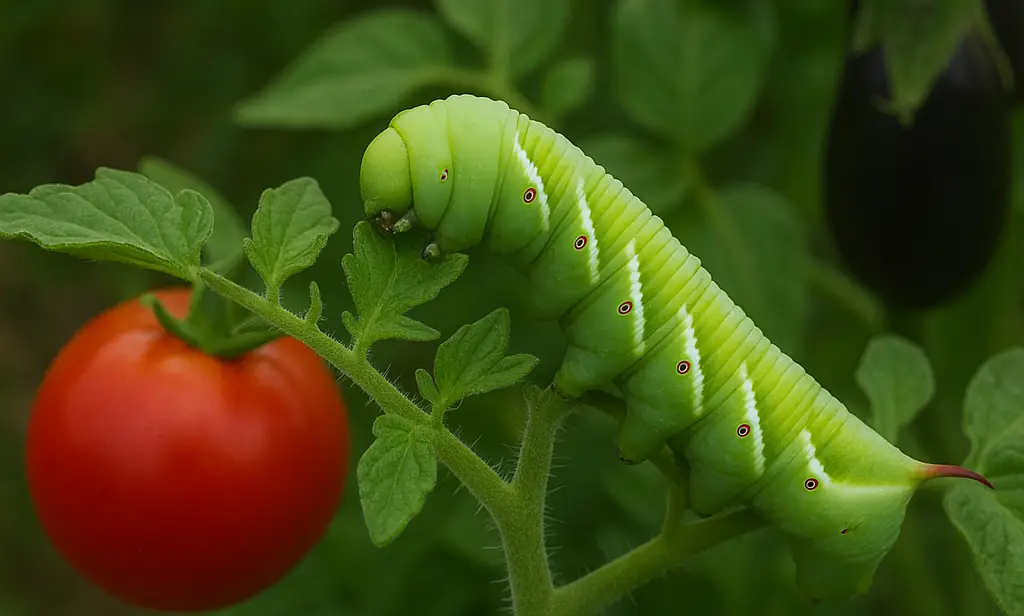
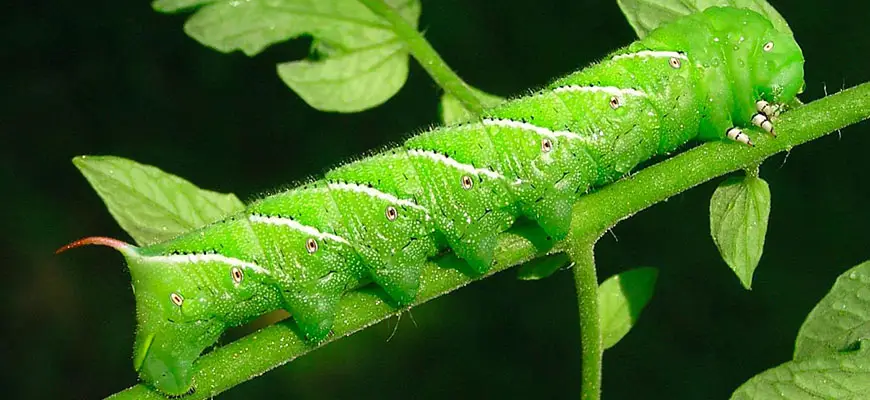
Tomato hornworms (Manduca quinquemaculata) are large, pale green caterpillars with black and white markings and a prominent horn-like tail. They can grow up to five inches long and are known for blending into the foliage of tomato plants, making them difficult to spot until major damage is done.
Closely related to tobacco hornworms (Manduca sexta), they are most destructive in their larval stage and prefer feeding on the foliage, stems, and fruit of plants in the Solanaceae (nightshade) family.
Do Tomato Hornworms Turn Into Anything?
Yes. Tomato hornworms are the larval stage of the sphinx moth (also called hawk or hummingbird moths). These moths lay their eggs on the undersides of leaves in late spring. After the eggs hatch, the larvae feed for 4–6 weeks before burrowing into the soil to pupate. In warmer climates, multiple generations can occur each year.
Do Hornworms Only Attack Tomato Plants?
Despite the name, tomato hornworms can infest any nightshade crop—including:
-
Tomatoes
-
Peppers
-
Potatoes
-
Eggplants
-
Tobacco
If you’re growing any of these, you should be familiar with how to get rid of hornworms on tomatoes and other crops alike.
What Damage Can Tomato Hornworms Do?
Hornworms are voracious feeders and can quickly defoliate a plant, starting at the top and working downward. Key signs include:
-
Large chewed leaves or missing stems
-
Dark green or black droppings (frass) on upper leaves
-
Wilted leaves or sunscald due to reduced foliage
-
Severed stems or collapsed branches
Because they blend in so well, regular inspections are essential to spot an infestation early.
How to Prevent a Tomato Hornworm Infestation
1. Garden Sanitation
A clean garden is your first line of defense against tomato hornworms. Tilling the soil in early spring and again after harvest helps destroy any pupae overwintering in the soil, preventing them from emerging as adult moths the following season.
Make it a habit to remove all plant debris, especially at the end of the growing season. Dead leaves, stems, and fallen fruit can harbor not just hornworm pupae but also harmful fungi and bacteria. Sanitation is especially critical if you’ve had an outbreak in previous seasons—don’t give the pests a second chance to return.
For an added layer of prevention, sanitize your garden tools between seasons or when moving between beds. This reduces the chance of transferring eggs or larvae from plant to plant.
2. Crop Rotation
Rotating your crops annually disrupts the hornworm life cycle and reduces the risk of soil-borne pests and diseases. Avoid planting tomatoes, peppers, eggplants, or potatoes in the same area for at least two seasons in a row.
Instead, alternate with non-nightshade families like legumes, leafy greens, or root vegetables. This not only confuses pests looking for their favorite food but also balances soil nutrients—a bonus for your garden’s long-term health.
Planning your rotation map ahead of time will help keep records accurate and make pest management easier. If space is limited, consider container gardening or raised beds for better control over where and how you plant each season.
3. Companion Planting
Companion planting is a natural, chemical-free way to deter tomato hornworms and attract their predators. Strong-scented herbs like basil, thyme, and parsley can mask the aroma of tomato plants, making it harder for moths to locate them.
Other flowers and herbs—like marigolds, dill, and yarrow—attract beneficial insects such as braconid wasps, lacewings, and ladybugs, which naturally prey on hornworms and their eggs.
Strategically plant these companions around the perimeter or between your tomato rows. Not only will you benefit from pest control, but these additions also promote pollination, improve biodiversity, and enhance the beauty of your garden.
4. Weed Control
Keeping your garden weed-free is more than just cosmetic—it’s a vital part of pest prevention. Some weeds, particularly those in the nightshade family like jimsonweed, horsenettle, and black nightshade, serve as alternate hosts for hornworm larvae and eggs.
These unwanted plants create hiding places and extra food sources, allowing hornworm populations to build up undetected. Regularly inspect the edges of your beds, walkways, and any surrounding vegetation for invasive weeds.
Use mulch or landscape fabric to suppress weed growth, especially early in the season. Staying consistent with manual removal or hoeing ensures your tomato plants aren’t competing for nutrients—and that hornworms don’t have a backup plan if your crops are clean.
How to Prevent a Tomato Hornworm Infestation
1. Hand-Picking
- Pick hornworms off the plant by hand and drop them into a bucket of soapy water.
- Use gloves or tongs if preferred.
- At night, use a UV blacklight—hornworms glow under it, making them easier to find.
2. Diatomaceous Earth
Sprinkle food-grade diatomaceous earth directly on leaves and soil. It’s harmless to humans but lethal to soft-bodied pests like hornworms.
A natural insecticide that interferes with feeding and reproduction. Neem also has a bitter taste that deters hornworms from returning.
4. Bacillus thuringiensis (Bt)
Bt is a soil-borne bacterium that is deadly to caterpillars but safe for humans and pollinators. Use it on the plant’s foliage and reapply after rain.
When to NOT Kill Tomato Hornworms
If you notice a hornworm covered in small white oval cocoons, leave it alone. These are the larvae of the braconid wasp, a natural predator that feeds on the hornworm from the inside out. Once they emerge, they’ll help reduce future infestations.
How to Attract Braconid Wasps to Your Garden
Plant nectar-rich herbs and flowers like:
-
Dill
-
Mustard
-
Yarrow
-
Parsley
Also, provide a small water source like a birdbath or shallow dish to support these beneficial insects.
Hornworms in Indoor Gardens or Greenhouses
While rare, hornworms can appear indoors, especially in greenhouses. Use the same preventive measures:
Final Thoughts On Tomato Hornworms
Tomato hornworms are a serious threat to your garden, but you don’t need toxic chemicals to fight them. With natural pest control methods like hand-picking, neem oil, Bt, and beneficial insects, you can protect your tomatoes and grow strong, healthy plants.
FAQ: How to Identify, Prevent, and Eliminate Tomato Hornworms