

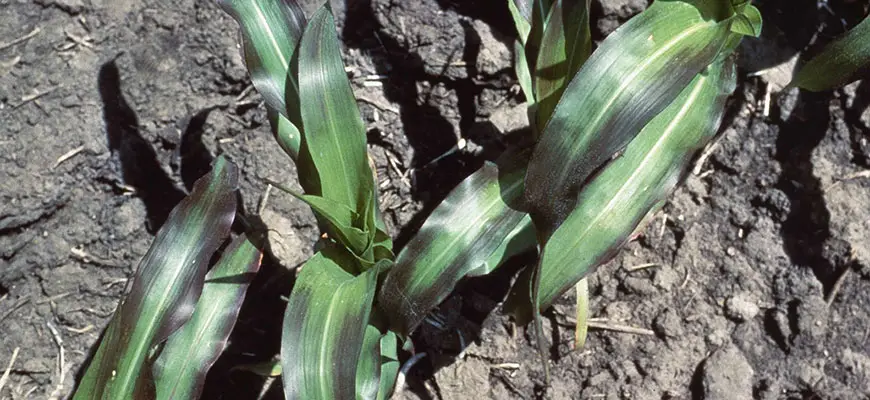
Phosphorus deficiency is one of the most frequently misdiagnosed problems in both indoor and outdoor gardens — and one of the most damaging when left unaddressed. Phosphorus (P) is the second most critical macronutrient after nitrogen, and no other element can substitute for its role in energy transfer, root development, and flowering. If your plants are showing purple-tinted leaves, stunted growth, or weak flower development, a phosphorus deficiency is a likely culprit — but the cause is often not a lack of phosphorus in the feed. It’s usually a pH problem blocking the P that’s already there.
This guide explains what phosphorus actually does, how to identify a genuine deficiency versus a pH-induced lockout, and how to correct it across soil, coco, and hydroponic systems.
Growing at scale? Commercial cultivators managing multiple rooms or crop cycles will find system-specific dosing, flush protocols, and corrective nutrient selection in the For Commercial Operations section below.
What Does Phosphorus Do in Plants?
Phosphorus is involved in nearly every energy-dependent process in the plant. Understanding its roles explains why P deficiency affects so many systems simultaneously.
Energy transport. Phosphorus is the backbone of ATP (adenosine triphosphate) — the molecule that carries energy from photosynthesis to every cell in the plant that needs it. Without P, light energy can’t be converted into usable chemical energy.
DNA and RNA. Phosphorus is a structural component of nucleic acids, which means it’s essential for cell division, protein synthesis, and all genetic functions.
Root development. High phosphorus concentrations in root tips are normal and intentional — P drives root architecture, particularly early in the plant’s life when the root zone is establishing. Germination success and seedling vigor are closely tied to P availability.
Bloom production. Phosphorus is critical for flower and fruit initiation. Plants with inadequate P at the transition to bloom produce fewer flowers, with smaller and less dense structure. This is where the cost in yield and quality is most acutely felt.
Disease resistance. Adequate phosphorus throughout the plant’s life cycle supports stronger cell walls and improved pathogen resistance — research suggests phosphorus-deficient plants show greater susceptibility to pathogen infection.
Phosphorus is a mobile nutrient, which means the plant can move it from older tissue to areas of active growth. This is why deficiency symptoms appear in lower, older leaves first — the plant is cannibalizing them to feed new growth.
Why pH Is the Real Culprit Most of the Time
Before assuming a phosphorus deficiency is caused by insufficient P in your feed, check your pH. This is the most common cause of apparent P deficiency by a wide margin.
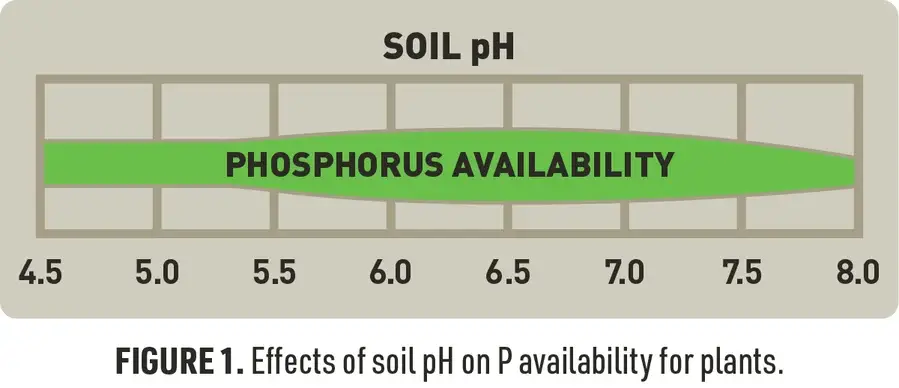
Phosphorus is only available to plant roots within a specific pH window. Outside that window, it forms insoluble compounds that roots cannot absorb — even when the nutrient is present at full concentration in the root zone.
| Growing System | Optimal pH Range for P Uptake |
|---|---|
| Soil | 6.0–7.0 (peak availability 6.5–7.0) |
| Coco coir | 5.8–6.3 |
| Hydroponic / DWC | 5.5–6.2 (peak 5.8–6.0) |
| Rockwool / inert media | 5.8–6.2 |
If your pH has drifted even half a point outside these windows, phosphorus and several other nutrients become unavailable — and the plant shows deficiency symptoms regardless of what’s in the reservoir.
Always check pH first. It’s the single diagnostic step that resolves the majority of apparent P deficiencies without changing anything in your nutrient program.
For a detailed breakdown of how pH affects every major nutrient, see our guide to nutrients and pH.
Identifying Phosphorus Deficiency: What to Look For
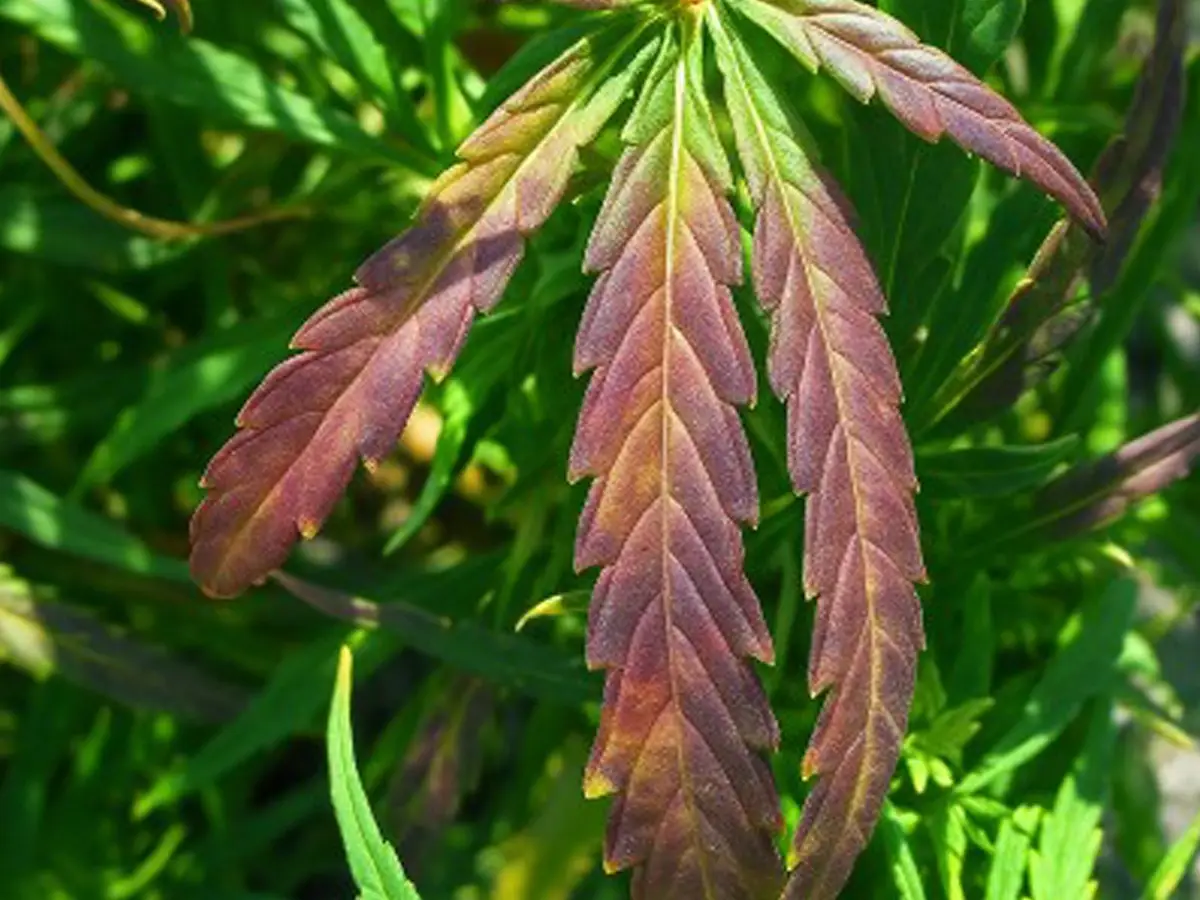
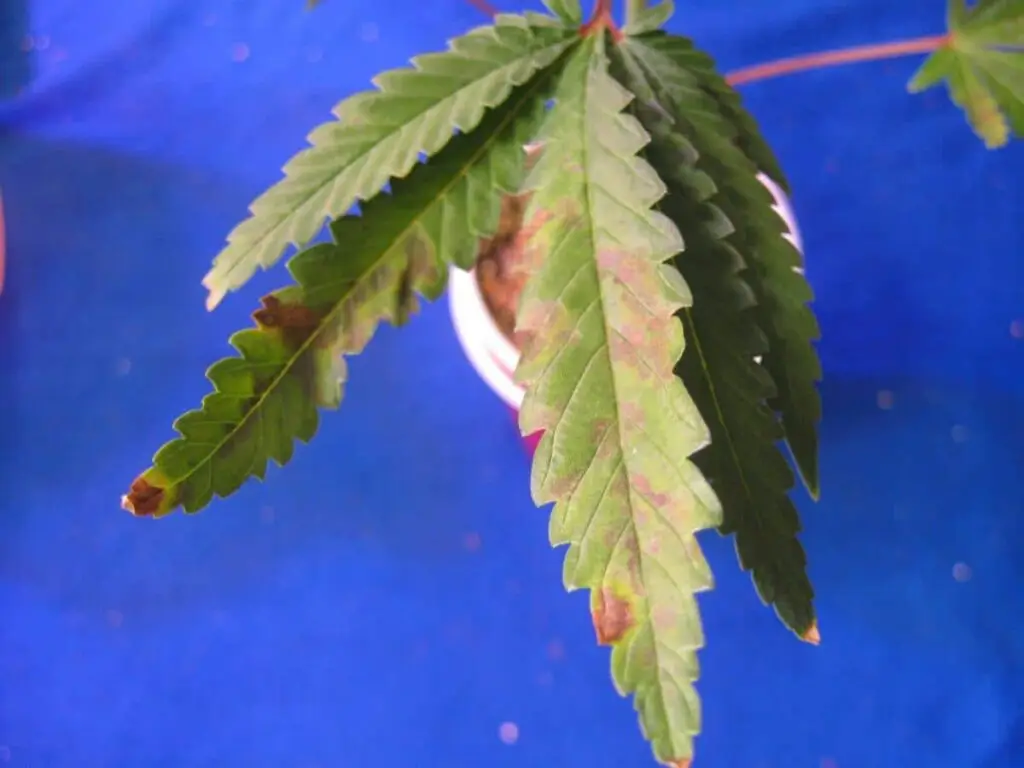
Phosphorus deficiency follows a predictable pattern. It starts in the oldest, most mature leaves (typically the lower canopy) and progresses upward as the plant mobilizes P away from older tissue.
Early signs (lower leaves first):
- Leaves shift from healthy green to a dull, dark green or blue-green
- Purpling of leaf undersides, petioles (the stem connecting leaf to branch), and sometimes the veins on the upper surface
- Slightly reduced leaf size and stiffness
Progressive signs:
- Purple or reddish coloring spreads to stems and branches
- Leaves may curl downward at the tips
- Growth slows — plants appear compact but not in a healthy way
Late-stage / severe deficiency:
- Spots or necrotic patches appear on older leaves
- Leaves yellow and drop
- Flowers fail to develop normally — fewer sites, smaller structure, reduced density
- Seeds and fruits are smaller and less developed
A critical note on purple coloring: Purple leaves or stems are not always a deficiency. Some cultivars — particularly certain cannabis genetics — express natural purple or anthocyanin pigmentation, especially when temperatures drop. The key distinction is that temperature-induced purple typically appears evenly across the plant in response to cool conditions, while P deficiency purple is concentrated in older lower leaves and petioles first, often accompanied by the dull dark-green color change.
The diagnostic checklist:
- Check pH first — is it in range for your system?
- Are symptoms starting in lower, older leaves (not new growth)?
- Do petioles and stems show purple/red coloring?
- Are you in bloom or approaching bloom stage (highest P demand)?
- Has temperature dropped recently (rules out temp-induced purple)?
For a broader diagnostic framework across all deficiencies, see Diagnosing Nutrient Deficiencies.
Natural Phosphorus Sources for Organic and Soil Growers
If you’re growing organically or amending soil, several excellent natural phosphorus sources are available in different release speeds and profiles.
Bat Guano (High-Phosphorus) — Fast-releasing and microbe-friendly, high-P bat guano is ideal for organic bloom supplementation. Roots Organics HP Bat Guano (0-4-0) is a clean, widely used option. It’s OMRI-listed, water-soluble enough to use as a tea, and suitable for application around the root zone at transition to bloom.
Bone Meal — A slower-releasing organic phosphorus source that continues feeding the root zone for four to six months after application. Down To Earth Bone Meal is a reliable standard for pre-amending soil mixes. Best applied at transplant or worked in before planting. Note: bone meal’s effectiveness depends on soil pH — it performs best between 5.5–6.5.
Crab Meal — Beyond phosphorus, Down To Earth Crab Meal supplies nitrogen, calcium, and magnesium, making it a multi-purpose amendment. The chitin content also supports beneficial microbial activity. Works best when composted in before planting rather than applied mid-cycle.
Phosphate Rock — Economical and slow-release, best in acidic to neutral soils (pH 5.5–7.0). Not recommended in alkaline soils, where it forms calcium-phosphate complexes that roots can’t access.


Correcting Phosphorus Deficiency: Step-by-Step
Step 1: Test and Correct pH
This resolves the majority of P deficiencies. Use a calibrated pH meter — not a test strip — and compare your reading to the system-specific ranges above.
For hydroponic and coco systems:
HGV Condition — pH Down is formulated with phosphoric acid, which lowers pH without introducing unintended elements. It requires no dilution and is designed for direct use with HGV nutrients and other major nutrient programs.
HGV Condition — pH Up (17% KOH formulation) raises pH when needed — always dilute before adding and introduce it after all other nutrients are fully mixed to prevent localized reactions.
For guidance on measuring and calibrating pH equipment, see How to Measure and Adjust pH for Gardening.
Step 2: Increase Phosphorus in Your Feed
If pH is confirmed in range and symptoms persist, supplement with a phosphorus-rich nutrient source appropriate to your system.
For hydroponic, coco, and water-soluble programs:
HGV Dry Flower (0-10-26) is the most direct solution for mid-to-late cycle P supplementation. The 0-10-26 NPK profile prioritizes phosphorus and potassium — the two primary drivers of flower development — while the sulfate-rich formula supports terpene and secondary metabolite production. Used as the Part A in HGV’s bloom system alongside HGV Base, it delivers a complete, calibrated phosphorus delivery without guesswork. Available in 5 lb bags for smaller operations or 25 lb bulk for production-scale facilities.
For soil and organic growers: Supplement with a fast-acting P source such as high-phosphorus bat guano (as a root-zone drench or compost tea) while slower-release amendments like bone meal continue building reserve.
Step 3: Address Compounding Factors
Several conditions reduce phosphorus availability independent of pH and feed rate:
- Cold root-zone temperatures — P uptake slows significantly when root-zone temperatures drop below 60°F (15°C). This is common in early spring grows, unheated basements, and outdoor seasons. Warming the root zone resolves this.
- Excess iron in the media — High iron concentrations interfere with P uptake. This is more common in some water sources and certain soil mixes. A water test can identify iron levels worth addressing.
- Mycorrhizal disruption — Phosphorus-mycorrhizal relationships are symbiotic. Fungal populations in the root zone dramatically increase P uptake efficiency. Excess P applications can inhibit mycorrhizal colonization — one reason moderate, well-timed P feeding outperforms aggressive supplementation.
Step 4: Flush Only If Toxicity Is the Concern
If you’ve overfeeded phosphorus and suspect toxicity rather than deficiency, a flush is warranted. Use 3 gallons of pH-corrected water per gallon of grow medium as a baseline — continue flushing until runoff EC approaches your input EC to confirm salts have cleared. In hydroponic systems, drain the reservoir, rinse with fresh water, and rebuild your nutrient solution at the correct concentration. For information on when and how to flush correctly, see Flushing Plants.
Phosphorus Toxicity: What It Looks Like
Phosphorus toxicity is significantly less common than deficiency but does occur — usually from aggressive bloom boosters or misapplied amendments.
Symptoms include:
- Spotted, scorched, or dead-looking leaf tissue
- Yellowing that does not follow the mobile-nutrient pattern (starts randomly rather than oldest leaves first)
- Apparent zinc and copper deficiency symptoms — excess P interferes with Zn and Cu uptake, causing dark twisted leaves, chlorosis, and reduced yields
Toxicity also damages mycorrhizal fungi populations in the root zone, reducing P efficiency and overall soil health over time.
If you suspect toxicity, stop all P applications immediately. Flush as described above, recheck your NPK ratios, and understand which fertilizer you’re using is driving the P concentration. Our guide to correcting plant nutrient toxicity covers the full flush-and-recovery protocol.
How to Read NPK Labels for Phosphorus Content
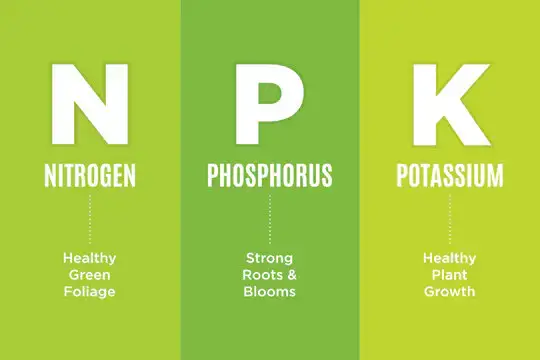
Phosphorus content in fertilizers is expressed as the middle number in the NPK ratio (Nitrogen – Phosphorus – Potassium). It’s listed as P₂O₅ (phosphate) by regulatory convention, not as elemental P — which means the number is an expression of the oxide equivalent, not the pure element.
Examples:
- 0-10-26 (HGV Dry Flower) — Zero nitrogen, 10% phosphate, 26% potassium — a bloom formula
- 3-6-22 (HGV Dry Grow) — Some P, lower than bloom stage requirement
- 4-12-0 (typical high-P organic) — Strong phosphorus, no K — common in organic P amendments
When a label shows 0 in the P position, the formula contains no available phosphorus — important to recognize when stacking nutrients or amendments.
For a full explanation of NPK ratios and how to balance macronutrients through a plant’s life cycle, see our NPK Ratio and Nutrient Balance Guide.
Know Your Growing Medium Before You Feed
Always test your substrate or water source before applying amendments. Different media and water profiles already contain varying phosphorus levels:
- RO water users start from near-zero — every element must come from your nutrient program
- Tap water can contain dissolved phosphates, particularly in agricultural regions
- Pre-amended soils often include bone meal, bat guano, or other P sources that may already meet your plants’ needs
- Coco coir is essentially inert — phosphorus must be provided entirely through the nutrient solution
Test before you feed. Overfeeding phosphorus into an already-sufficient medium is one of the most common causes of P toxicity and trace element lockout. See our garden soil nutrient testing guide for a practical walkthrough of testing before planting.
For Commercial Operations: Phosphorus Management at Scale
Preventing P Deficiency at the System Level
Commercial cultivators rarely experience phosphorus deficiency as an isolated event. When it appears across multiple plants or rooms, it signals one of three systemic issues: pH drift in your fertigation circuit, incorrect Part A formula selection for the growth stage, or a water chemistry problem affecting absorption.
pH monitoring at scale: At 10+ lights, manual pH checks introduce inconsistency. TrolMaster’s Aqua-X pH sensor provides continuous reservoir monitoring and can trigger alerts before pH drift becomes a deficiency event across your canopy. Pair with automated pH dosing for hands-off correction.
Bloom-stage nutrition for commercial production:
HGV Dry Flower (0-10-26) is engineered for large-scale concentrate mixing — the dry format delivers a lower cost-per-feed than liquid alternatives at scale, with longer shelf life and flexible concentrate ratios per the product label. The 25 lb bulk bag is the standard for commercial facilities. HGV Dry Flower is always used as Part A alongside HGV Base (Part B), which provides calcium and nitrogen throughout the generative phase.
Consistent P delivery across a multi-head fertigation system requires that concentrate tanks are mixed to exact spec every fill. Variation in concentrate mixing is one of the leading causes of mid-grow deficiencies that appear to be equipment or genetic problems but trace back to inconsistent feed preparation.
Diagnosing P deficiency in a tissue test: Tissue analysis is the definitive diagnostic tool at commercial scale. When an entire room shows similar symptoms, a tissue test distinguishes true P deficiency from pH-induced lockout from secondary lockout of zinc and copper. Your Hydrobuilder commercial account team can connect you with tissue testing resources through the Grow Diagnostics program.
Flushing at commercial scale: A 3:1 flush ratio (gallons of flush water per gallon of media) is a baseline corrective protocol for P toxicity — continue flushing until runoff EC approaches input EC to confirm salt clearance. In recirculating hydroponic systems, drain the central reservoir and replenish with a fresh solution at the correct target EC. Building in a weekly reservoir drain-and-refresh protocol prevents salt accumulation issues that exacerbate P lockout.


Shop Plant Nutrients at HydroBuilder
Whether you’re correcting a P deficiency mid-cycle or building a commercial bloom program from the ground up, HydroBuilder stocks the full range of phosphorus sources and pH management tools.
Related articles:
Example: FAQs
Q: What are the signs of phosphorus deficiency in plants?
A: Phosphorus deficiency first appears in older, lower leaves as a shift from normal green to a dull dark green or blue-green, often accompanied by purple or reddish coloring on leaf undersides, petioles, and stems. Growth slows noticeably and flower development is reduced. Symptoms progress upward as the plant mobilizes P from older tissue toward active growing sites.
Expanded context: The purple coloration is the most visually distinctive sign but is easy to misread. Genetics and cold temperatures can produce similar anthocyanin expression. The key diagnostic markers that confirm P deficiency versus temperature-induced purple are: symptoms concentrated in lower leaves first, dark-green leaf coloration accompanying the purple, and any stunting or slowing of new growth. A pH check rules out the most common cause before you adjust your feed.
Commercial application: In a multi-plant room, look for the pattern — if purple and stunting appear in the lower canopy across multiple plants simultaneously, it’s almost certainly systemic (pH, water quality, or formula issue) rather than individual plant stress.
Q: How do you fix phosphorus deficiency in plants?
A: Fix phosphorus deficiency by first correcting pH to the appropriate range for your system (5.5–6.2 for hydro/coco, 6.0–6.5 for soil), then supplementing with a high-phosphorus nutrient source if deficiency persists. In most cases, a pH correction alone typically shows recovery within 3–7 days in mild to moderate cases.
Expanded context: Most apparent P deficiencies are actually pH-induced lockout — the phosphorus is present in the root zone but unavailable due to pH drift. Adjusting pH with a reliable product like HGV Condition — pH Down (phosphoric acid base) brings the solution back into the uptake window. If pH is confirmed in range, supplement with HGV Dry Flower (0-10-26) for hydro/coco systems or high-P bat guano for organic soil grows.
Commercial application: At scale, the fastest diagnostic is reservoir EC and pH. If EC is in range but P deficiency appears, pH is almost always the culprit. Verify your sensor calibration and target 5.8–6.0 for most crops.
Q: Why are my plant leaves turning purple?
A: Purple leaves in plants are caused by excess anthocyanin pigments and can result from phosphorus deficiency, cold root-zone or ambient temperatures, certain genetics, or light stress. True P deficiency purple starts in older lower leaves and is accompanied by dark green coloration and stunted growth, while temperature-induced purple appears more uniformly across the plant.
Expanded context: Before adjusting any nutrient program for purple leaves, rule out temperature first — particularly in fall grows, unheated spaces, or rooms where overnight temperatures drop. Temperatures below 60°F reliably trigger anthocyanin expression in many cultivars without any nutritional cause. If temps are stable and the purple is isolated to lower older growth with accompanying dark-green discoloration, investigate phosphorus and pH.
Commercial application: A facility running below 65°F in the root zone will show purple expression across most genetic profiles regardless of P levels. Address environmental parameters before nutrient diagnosis in climate-controlled facilities.
Q: What causes phosphorus deficiency in hydroponic systems?
A: In hydroponic systems, phosphorus deficiency is most commonly caused by pH outside the 5.5–6.2 absorption range, less often by insufficient P in the nutrient formula. Cold reservoir temperature (below 65°F), high iron concentration in source water, and inadequate P concentration in bloom-stage feeding are secondary causes.
Expanded context: Hydroponic systems are more sensitive to pH drift than soil because there’s no buffer from organic matter or microbial activity. In recirculating systems, nutrient uptake and CO₂ from plant respiration naturally raise reservoir pH over time — this is a normal process that requires scheduled pH correction. An automated dosing system prevents the drift that causes most hydroponic P deficiencies.
Commercial application: In large DWC or NFT systems, pH gradients can develop within the reservoir. Monitor at both inlet and outlet, not just one point, to catch distribution issues.
Q: Can too much phosphorus harm plants?
A: Yes — phosphorus toxicity, while less common than deficiency, causes spotted and dead-looking leaf tissue and interferes with zinc and copper uptake, producing secondary symptoms including chlorosis, dark twisted leaves, and reduced yields. Excess P also damages mycorrhizal fungi in the root zone over time.
Expanded context: P toxicity is most often triggered by aggressive use of bloom boosters on top of a complete base nutrient formula, or by misreading a deficiency and over-supplementing. Check your complete NPK before adding any bloom stimulant — many base formulas already deliver adequate P, and stacking a high-P booster creates excess. For soil growers, excessive bone meal or guano applied without testing is a common trigger.
Commercial application: Tissue testing at weeks 2–3 of bloom is the cleanest way to catch P accumulation before it causes visible symptoms. Address by flushing with pH-corrected water at a 3:1 ratio (water to media) as a baseline and resetting to your standard bloom formula.
Q: What is the best source of phosphorus for flowering plants?
A: For hydroponic and coco systems, a phosphorus-forward bloom nutrient such as HGV Dry Flower (0-10-26) delivers precise, water-soluble P optimized for the generative phase. For organic soil grows, high-phosphorus bat guano (fast-release) and bone meal (slow-release) are the most effective natural sources.
Expanded context: The “best” source depends entirely on your system. In hydro and coco, only water-soluble forms work — organic amendments like guano and bone meal are not appropriate in recirculating hydroponic systems because they introduce particulates and organic matter that foul pumps and promote anaerobic conditions. In soil, organic amendments work with the microbial ecosystem to release P progressively, which is often better matched to plant uptake patterns than a single liquid feed.
Commercial application: For production-scale coco or rockwool facilities, a two-part dry nutrient system with a defined P:K ratio in Part A provides the most consistent bloom-stage P delivery with the lowest cost per feed.
Q: How do I tell the difference between nitrogen and phosphorus deficiency?
A: Both cause stunted growth, but nitrogen deficiency produces uniform yellowing starting in older leaves (plants yellow from the bottom up), while phosphorus deficiency causes dark green to blue-green discoloration with characteristic purple or red pigmentation in stems, petioles, and leaf undersides. Root development is also more markedly impaired in P deficiency.
Expanded context: The color difference is the most reliable distinguishing feature. Nitrogen-deficient plants trend yellow-green to yellow to pale across lower leaves, while P-deficient plants trend dark green with purple/red accents. A plant that is yellowing uniformly without purple coloring is far more likely to be nitrogen-deficient. When in doubt, check pH and your NPK feed ratios before adjusting either.
Commercial application: Tissue testing differentiates N vs. P deficiency definitively at commercial scale where visual diagnosis across a full room can be ambiguous. See our guide to diagnosing nutrient deficiencies for the full diagnostic framework.
Q: Is it safe to use high-phosphorus nutrients in vegetative stage?
A: Low to moderate phosphorus levels are necessary throughout the vegetative stage for root development and cell division, but high P concentrations are not appropriate until transition to bloom. Excessive phosphorus during veg can suppress mycorrhizal colonization and inhibit zinc and copper uptake. Vegetative formulas typically carry lower P levels (e.g., 3-6-22 in HGV Dry Grow) than bloom formulas (0-10-26 in HGV Dry Flower).
Expanded context: The shift to a high-P bloom formula is one of the most important transition moves in a cannabis or flowering crop program. Timing matters — begin transitioning to your bloom Part A at the first signs of flower initiation (visible pistils, calyx development) rather than waiting for a fixed calendar date. Early transition to bloom-stage P supports the initial flowering structure without over-pushing P during late veg when it isn’t yet needed.
Commercial application: In crop-steered coco programs, the transition from generative irrigation triggers to a bloom nutrient formula is typically coordinated to occur within the first week of the 12/12 light flip, aligning nutrient shift with the physiological transition.